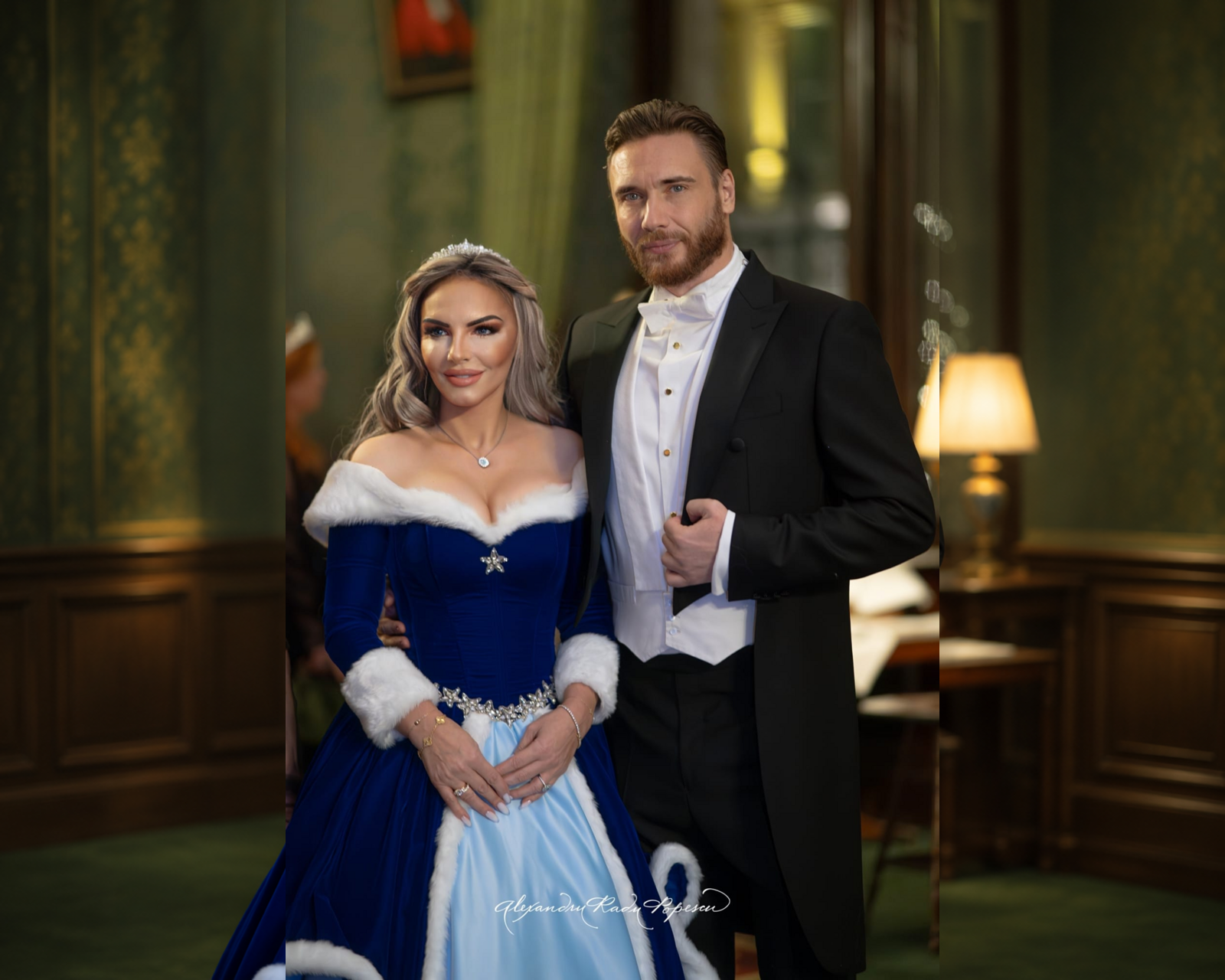
Răzvan Vasile found success young, lost his business and started again. Nicoleta built a career in law in Romania, then had to find her feet in the UK. Today, their work in education, business and heritage draws on what they each learnt along the way.
By the time Răzvan and Nicoleta met, each had already started over in another country. Răzvan had spent 12 years in Australia after his business went under. Nicoleta, who has worked in law for more than two decades, had moved to the UK and had to establish herself all over again.
They now work together across education, consultancy, business and heritage. Through the Noble House of Brattleby and the Brattleby Institute, they also develop cultural and philanthropic projects.
In conversation with GRAIUL, they talk about the mistakes they made, the pressure to prove themselves and the chance meeting in Windsor that brought them together.
What they are working on today
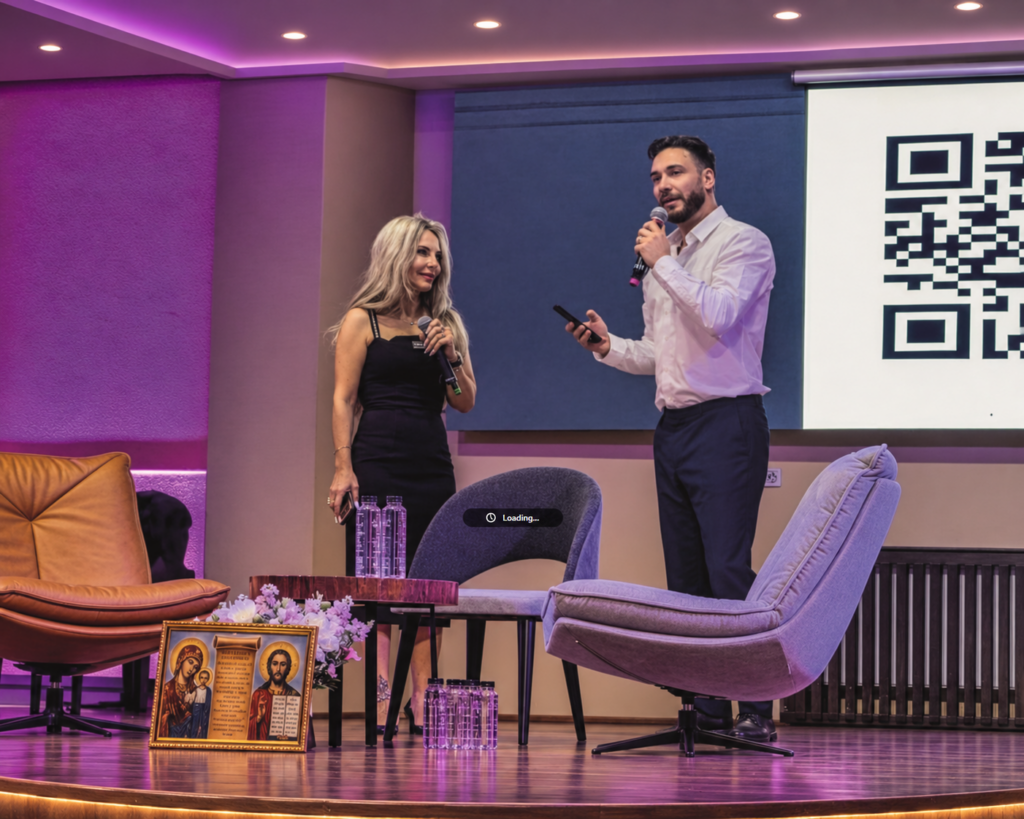
Education is a large part of Răzvan Vasile’s work. Through ParentX and MBAKids Academy, as well as his books and talks, he works with parents, children and adults who want to develop practical skills. His programmes cover emotional intelligence, entrepreneurship, communication and financial education.
After 16 years of mentoring children and families, he believes schools leave too little room for skills children will need outside the classroom. That is why MBAKids Academy is the project closest to his heart.
“We teach children to memorise, but we don’t teach them how to think. We teach them history, but we don’t teach them how to manage their money.”
For Răzvan, education takes effort and practice. He develops programmes for people willing to put time into their own learning, an approach he also brings to his work as a mentor and consultant.
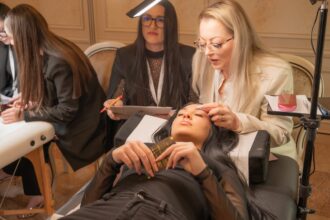
Nicoleta Vasile continues her legal work in Romania and the United Kingdom, focusing on consultancy and cross-border legal projects. She is also involved in running and developing Magnus Opifex Seven Ltd, a company specialising in fire protection consultancy and design for complex buildings.
Their other initiatives include NobleTea Club, Brattleby Life Academy and The Winter Banquet. Through the BLIFFTH foundation, they support projects to restore historic buildings and preserve cultural heritage.
Răzvan sees a common purpose in that work.
“At heart, all these projects have the same aim: to build things that last and bring real value to people.”
Starting over in another country
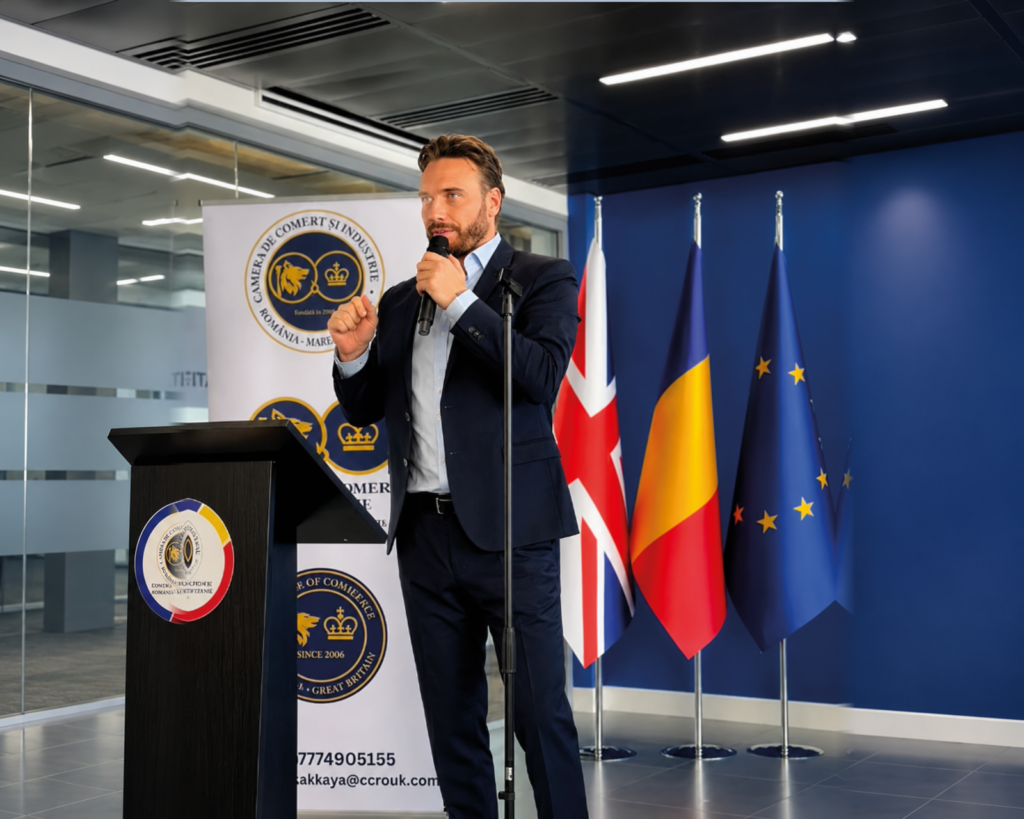
Răzvan began his entrepreneurial career in Romania in the 1990s. He recalls founding one of the country’s early business software companies around 1994, when resource planning and customer relationship management systems were still new to the local market.
Success came quickly, followed by bankruptcy. The experience forced him to rethink his career.
He then moved to Australia, where he spent 12 years. He says he started again in junior roles and went on to lead an international cybersecurity company. When he returned, he put what he had learnt into the education projects he runs today.
Nicoleta trained in Romania, where she developed the discipline and attention to detail she still relies on in her legal work. In the UK, she faced a different system and had to build a reputation from scratch.
She had to learn new rules and adapt to a different working culture while raising her family.
Nicoleta says one of the challenges was facing prejudice as a woman from Eastern Europe.
“It was a quiet battle, fought day by day, case by case. To overcome those preconceptions, I felt I had to show that I was more than competent. The quality of my work was my only argument.”
After more than 20 years in practice, the people who come to her for help are still central to how she sees her work. The idea of justice first drew her to law. Over time, she learnt to pay as much attention to what people were going through as to the details of their cases.
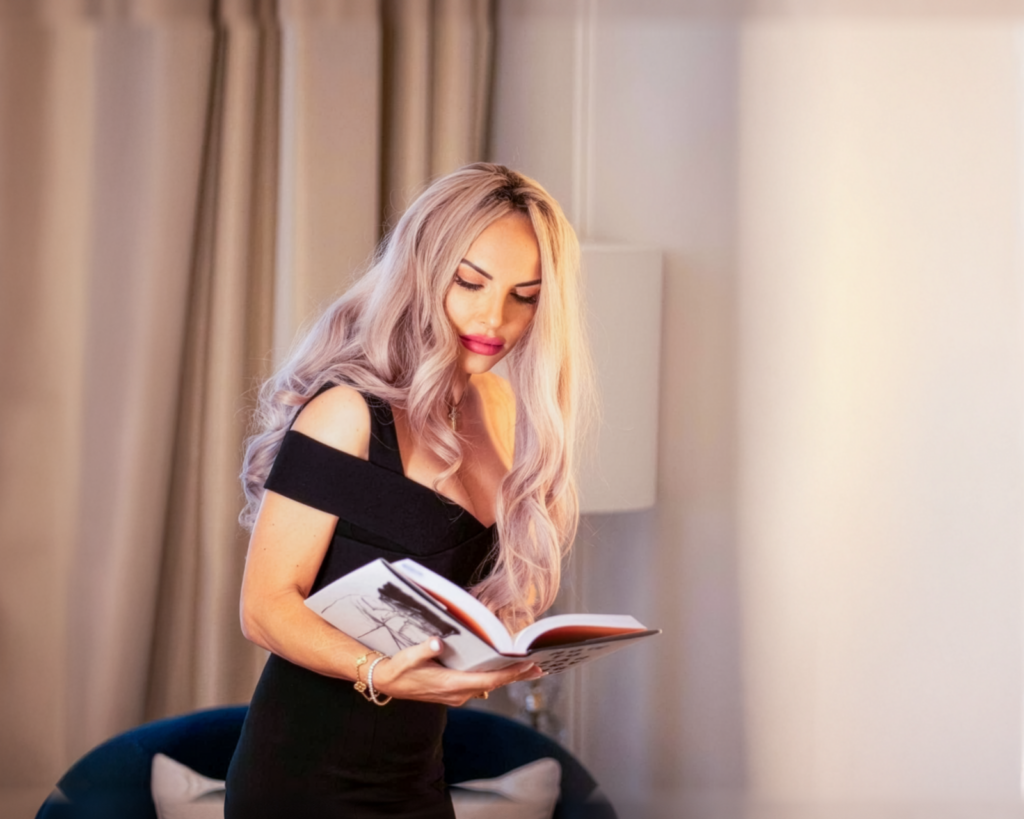
What it took to start again
Răzvan speaks frankly about the impact of his first bankruptcy. He remembers the office after the last employee left, and being alone there, trying to work out what to do next.
“I remember the cold floor of that empty office perfectly. I was sitting there alone after the last employee had gone.”
The shame and sense of failure were hard to bear. Looking back, he says the experience taught him that he could lose everything he had built and would have to find the strength to start again.
Rebuilding his career did not bring an end to those difficulties. For years, Răzvan felt a gap between the public image of a man who had the answers and the doubts he lived with in private.
He came to accept vulnerability as part of who he was. Acknowledging his fears, he says, changed the way he saw himself and later helped him speak openly with Nicoleta.
For Nicoleta, moving to the United Kingdom remains one of her most demanding experiences. She left a familiar professional environment and had to adapt to a system where her earlier achievements did not guarantee recognition.
Throughout that period, the responsibilities of being a mother continued alongside the challenges at work.
Those experiences still shape how they see their work. Răzvan talks about hours of study, writing that had to be redone, projects he abandoned and sponsors who declined to get involved. These things rarely make it into public presentations, yet they account for much of the work.
Keeping your word and earning trust
The way they work with people has changed too.
One of the most important lessons Răzvan took from entrepreneurship is that a business has to solve real problems. He believes that there is more to a business than its financial results and that perseverance matters more than how quickly success comes.
That is why he talks about failure in his books and at conferences. He believes that leaving mistakes and doubts out of these stories creates unrealistic expectations.
Nicoleta puts the emphasis on confidentiality, attention to detail and honouring commitments. In law and in business, she says, your reputation depends on how you keep your promises when things get difficult.
“Once you make a commitment, whether spoken or written, you honour it. Whatever the cost, whatever difficulties come up along the way.”
For years, she brought the same careful approach to her life outside work. Her relationship with Răzvan would show her that some of the things that matter most cannot be anticipated or controlled.
An unexpected meeting in Windsor
When they met, Răzvan had come to London to organise a conference and needed somewhere to stay. Nicoleta offered to host him at her home in Windsor.
He arrived before she did, and the household staff asked him to wait until she got there. So he waited outside, in the courtyard among the roses.
They both remember the moment. For Nicoleta, the sight of Răzvan waiting patiently was what stayed with her.
Răzvan says the meeting brought him a sense of calm he had not felt in a long time.
“I think the most important encounters in life begin quietly. They begin with a feeling.”
Nicoleta remembers his energy and how clearly he thought. Their conversation, she says, gave her a fresh perspective on questions she had been asking herself for a long time.
For Răzvan, there was a feeling of familiarity. After years of feeling he had to prove himself, build things and defend his decisions, meeting Nicoleta gave him a sense that he could set that pressure aside for a while.
“What felt like home was really a sense of calm.”
Nicoleta is used to thinking things through, but says she could never have predicted what would come of that first meeting.
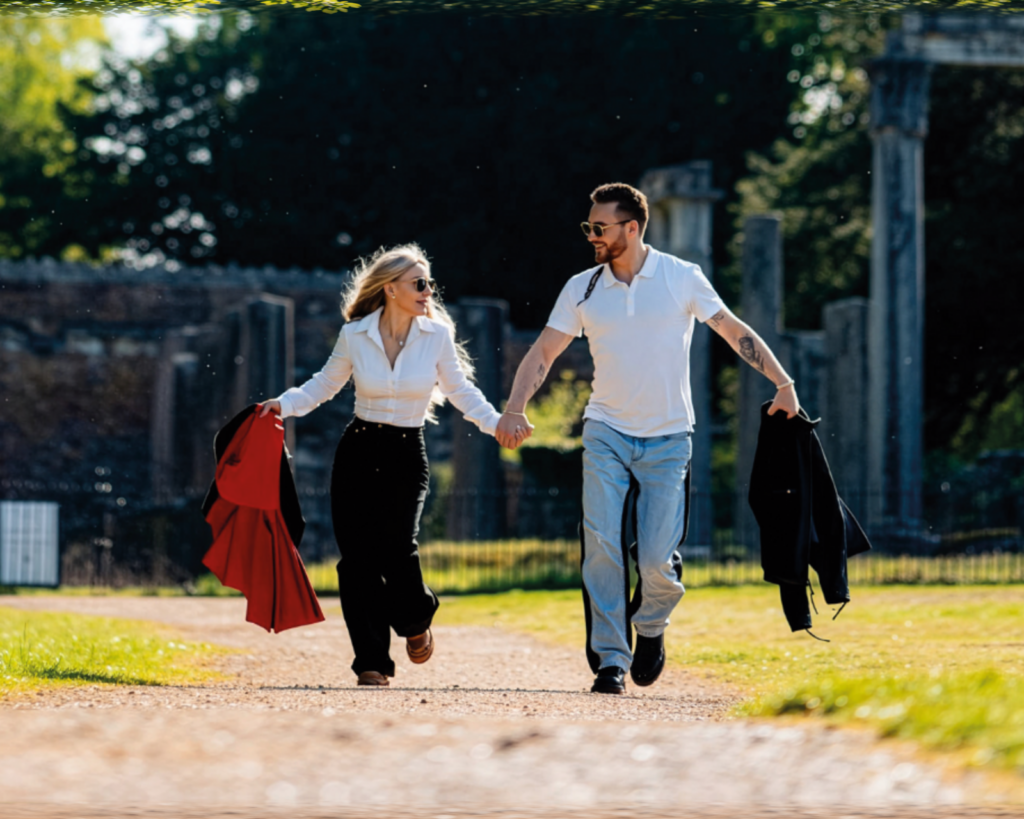
The life they chose to build together
When they talk about their relationship, Răzvan and Nicoleta come back to the choices they make each day. They talk about patience, trust and getting through difficult times together.
Răzvan admits he was used to moving quickly, starting projects and going straight on to the next challenge. Nicoleta helped him see the value of patience and of planning for the long term.
For her part, she says she learnt to show vulnerability without worrying that it might be taken for weakness.
One ordinary moment stayed with Nicoleta. After several days working on a difficult case, she came home exhausted, with no energy to explain what had happened.
Răzvan didn’t press her. He went to the kitchen, made her a cup of tea and put it in her hand.
“In that simple gesture, he understood everything without my having to say a word.”
Răzvan, in turn, recalls telling Nicoleta about one of his professional setbacks. He expected judgement, sympathy or advice. She gave him a different answer.
“Good. This is the foundation we’ll build on from here. It’s solid because it’s real and it’s been tested.”
Those are the moments they remember when they talk about supporting each other. A cup of tea helped one of them. A few plain words helped the other.
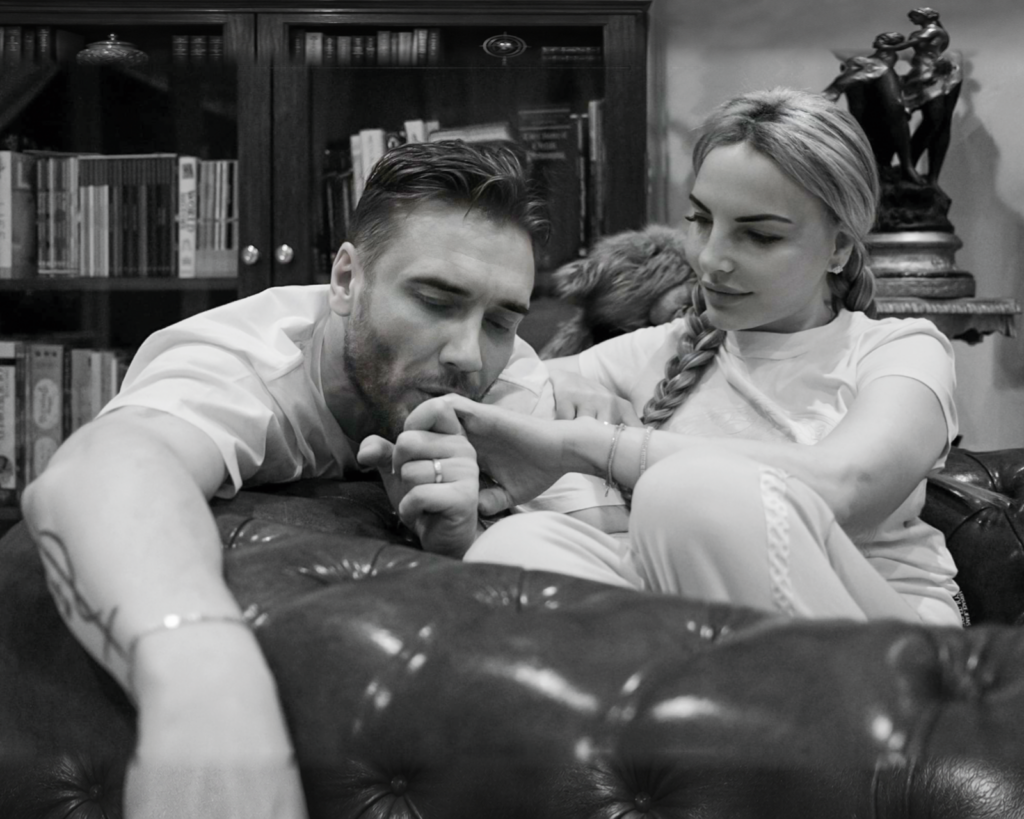
What the Brattleby name means to them
Some of their joint projects are developed under the Brattleby name. Nicoleta describes herself as the 12th Baroness of Brattleby, a title she associates with the English feudal tradition and the history of Lincolnshire.
For her, the responsibility that comes with the name is something she puts into practice through cultural, educational and philanthropic work.
Răzvan says he uses the title of Lord through his marriage to Nicoleta and shares those aims. They both talk about history and tradition in connection with the work they are trying to develop today.
Through the Noble House of Brattleby and the Brattleby Institute, they aim to support initiatives in education, culture and heritage conservation. They describe the BLIFFTH foundation as one of the ways they hope to support the restoration of historic buildings.
The House’s motto, Fortitudine et Honore, translated as “Through Strength and Honour”, is central to how they describe their responsibilities.
Nicoleta believes that the value of a title has to be shown through the work of the person who holds it.
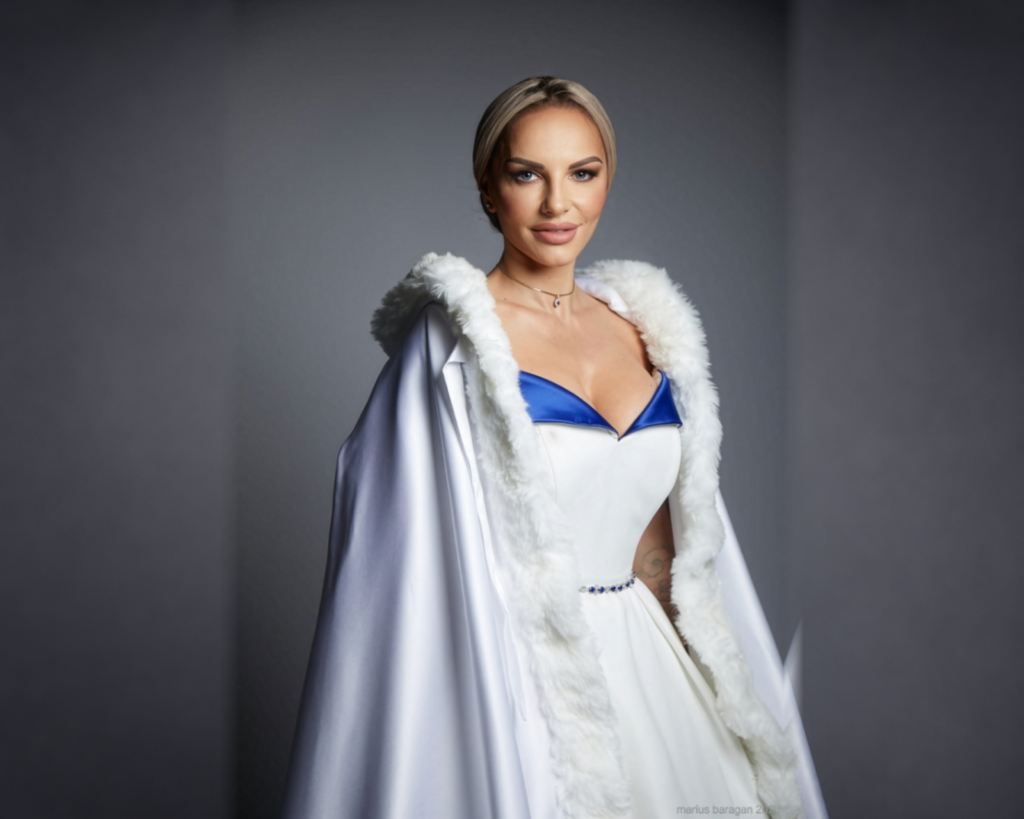
“I believe a title has value only when it’s backed up by what you do, by your work and by the way you choose to honour the name.”
Roots in Romania, work in the United Kingdom
Living abroad is part of both their stories, although they took different routes.
Răzvan spent 12 years in Australia, where he rebuilt his career. Nicoleta had to adapt to the British system in both her personal and professional life.
They now work in both Romania and the UK. Through education, consultancy and cultural projects, they meet people from different backgrounds, including Romanians who have made their lives abroad.
Their stories show how differently a career abroad can begin. For Răzvan, the change followed a business failure. For Nicoleta, the move meant adapting an established legal career to the requirements of another country.
Those experiences still influence the projects they choose and the people they work with.
What they hope to leave behind
Looking ahead, Răzvan says he wants to focus on fewer projects and give each of them more time.
He wants to write, continue mentoring and strengthen the initiatives he has developed with Nicoleta. He is also thinking about stepping back gradually from the public eye and about the role he might play in helping those who come after him.
“Less, but better. Fewer projects, with more depth.”
Nicoleta wants to strengthen her professional work and their cultural, educational and philanthropic projects so they can continue without her constant involvement.
They also think about what they will leave their children: projects in good shape and principles they can draw on as they make their own way.
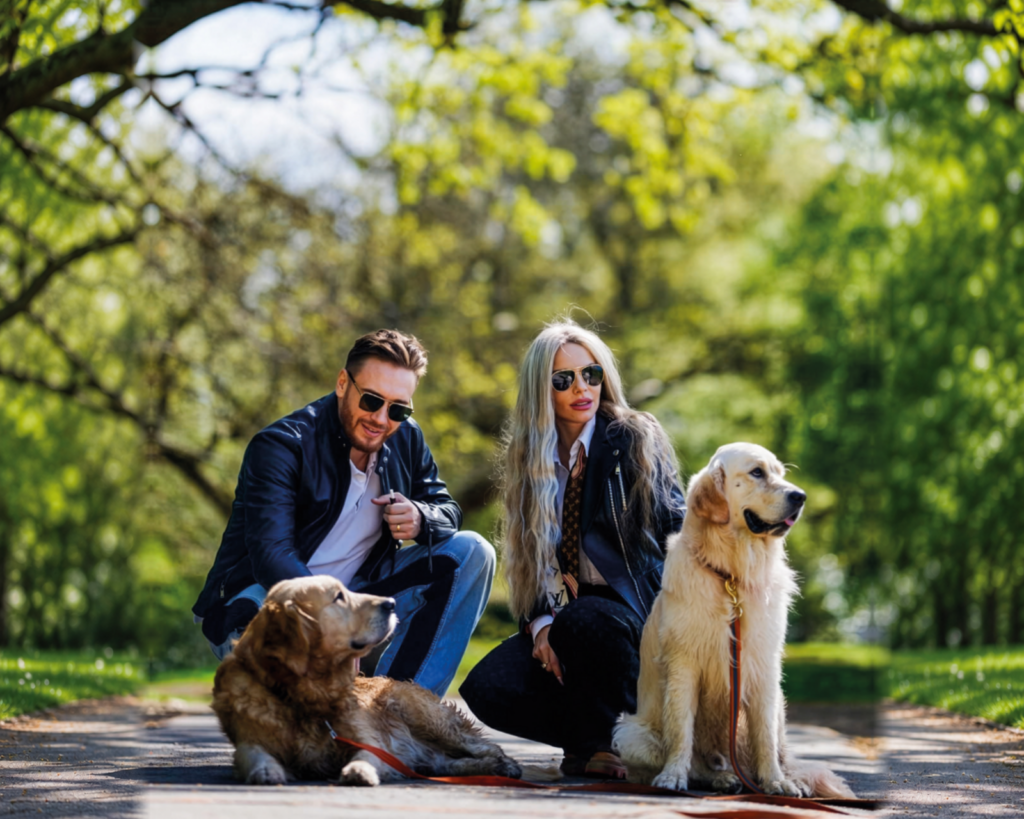
Neither would probably have chosen the route that brought them here. Răzvan had to start again after bankruptcy, and Nicoleta had to find her place in a demanding profession in another country. They still have their own work, as well as the projects and family life they have built together.
Editorial note. This online version differs from the article that appeared in the print edition of GRAIUL.