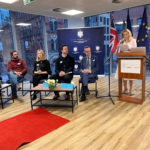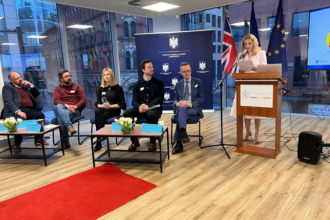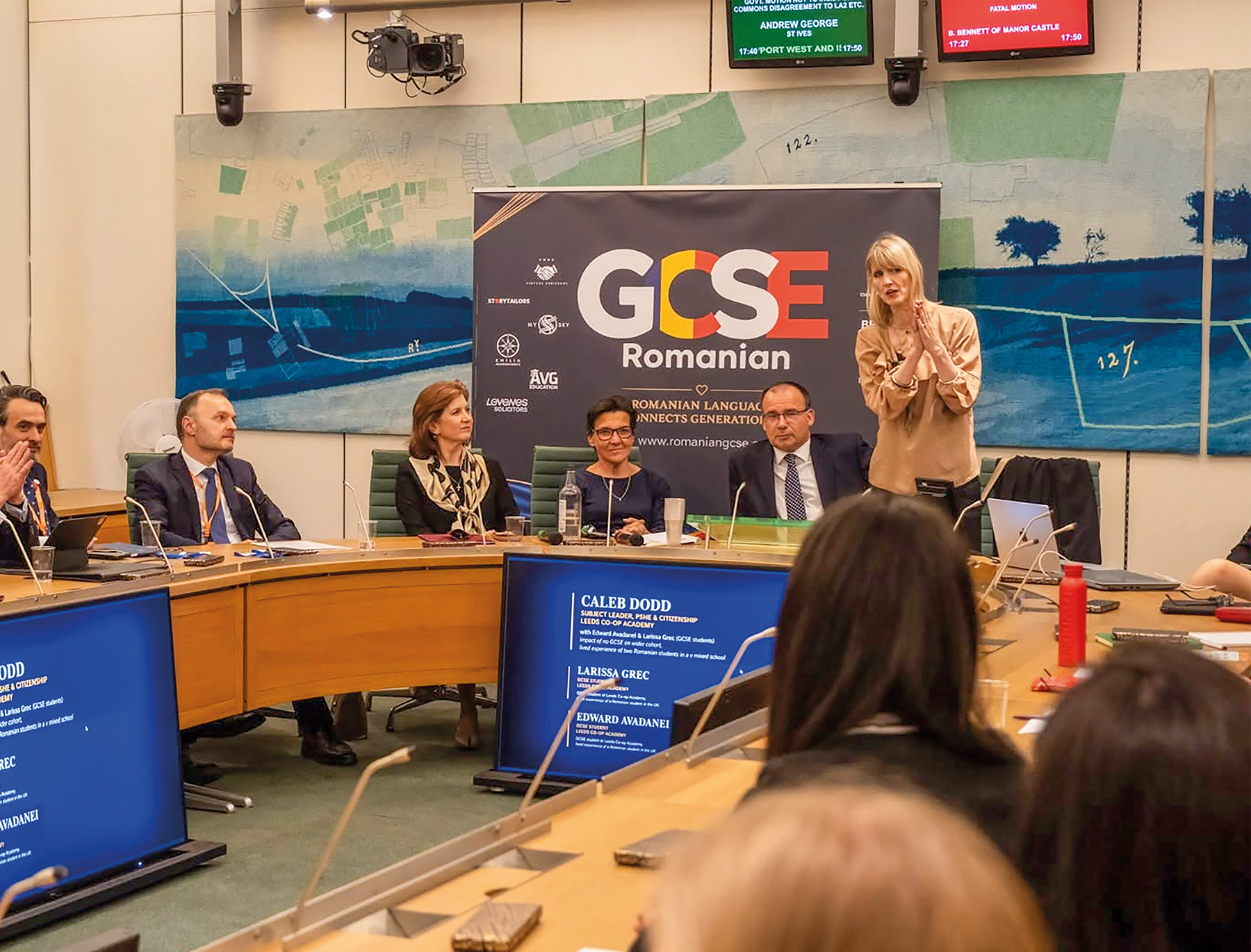
Romanian community representatives gathered at Westminster to make the case for introducing a Romanian language GCSE, highlighting educational fairness, cultural identity and the opportunities it could create for Romanian-speaking pupils across the UK.
At the Houses of Parliament in Westminster, members of the Romanian community brought a clear proposal before British MPs: the introduction of a GCSE in Romanian, allowing pupils to gain a formal qualification in their mother tongue.
Behind every successful event are people whose work rarely attracts public attention. They manage communications, coordinate guests, oversee countless practical details and deal with unexpected challenges to ensure everything runs smoothly. For the Westminster event supporting the introduction of a Romanian language GCSE, one of those people was Georgiana Anghel.
Working alongside British historian and broadcaster Dr Tessa Dunlop and MP Gareth Thomas, Georgiana helped organise a meeting designed to bring the issue directly to the attention of British parliamentarians.
For the Romanian community, the gathering represented an opportunity to make its voice heard on an issue affecting children growing up in the UK.
Romanian is among the most widely spoken languages in England and Wales after English, yet pupils currently have no dedicated Romanian language GCSE through which to gain formal recognition of their linguistic abilities.
Other community languages already have GCSE qualifications. Campaigners believe Romanian-speaking pupils should have a comparable opportunity, particularly those who have grown up speaking Romanian at home while receiving their education in English.
For these young people, a Romanian GCSE could turn an existing language skill into a recognised academic achievement.
Why Westminster matters
Westminster is the centre of British parliamentary politics and home to the Houses of Parliament.
Bringing the campaign into this setting gave those involved an opportunity to engage directly with MPs and draw attention to an educational issue that has long concerned Romanian families across the UK.
The meeting brought together people from education, politics, diplomacy, journalism, business and the wider community.
Three weeks to organise an event at Westminster
Georgiana Anghel’s contribution extended well beyond attending the event.
Through her business, Your Virtual Assistant, she coordinated the organisational arrangements, from invitations and communications to sponsors, banners, name badges, printed materials and logistics.
What makes her involvement particularly noteworthy is the timeframe.
She had just three weeks to bring together the various elements required for an event at the Houses of Parliament.
During that period, her work involved planning, communicating with participants, confirming arrangements, managing changes and making decisions under considerable time pressure.
The work of a virtual assistant is often underestimated. People usually see the final result: a prepared venue, guests arriving on time, printed materials ready and an event programme that runs as intended.
What they rarely see are the emails, telephone calls, schedules, follow-ups and last-minute adjustments that make it possible.
Georgiana’s involvement demonstrated the range of responsibilities that a virtual assistant can take on, particularly when a project requires detailed coordination and effective communication between different organisations and individuals.
For Your Virtual Assistant, the event provided a practical example of how administrative expertise and project management can support a wider community initiative.
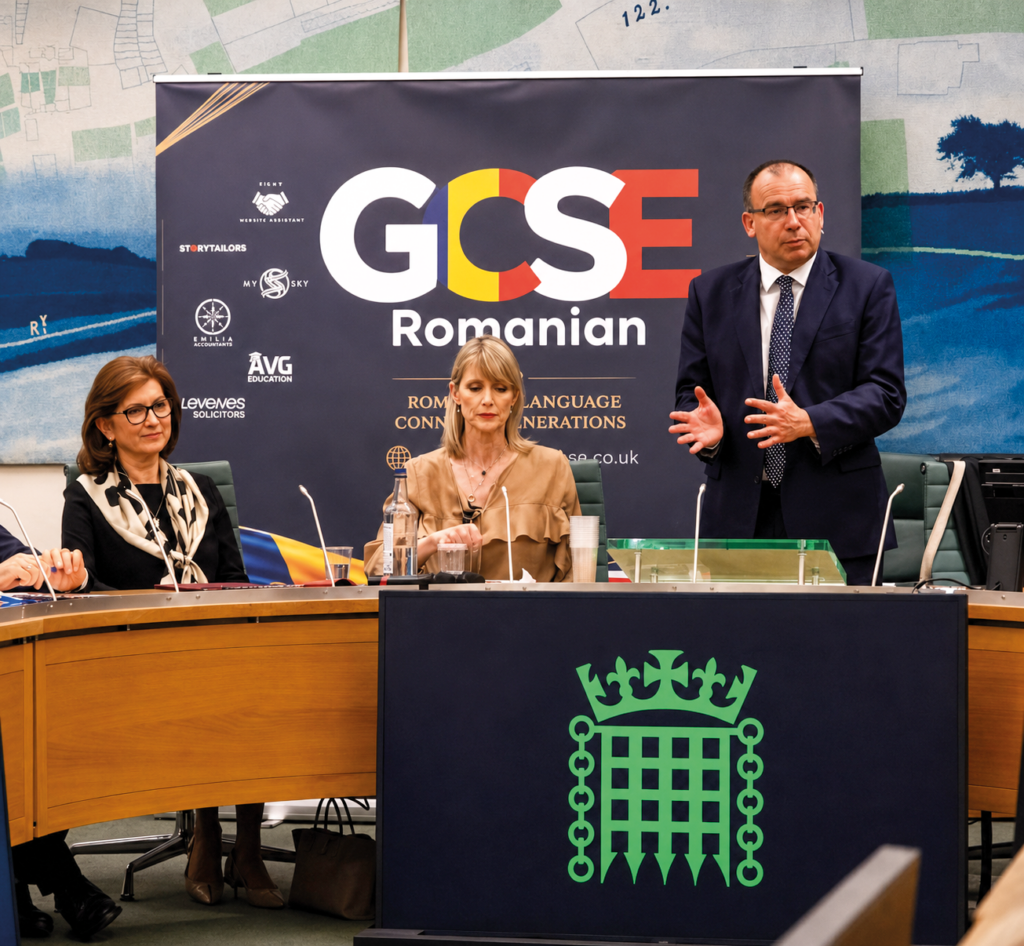
Tessa Dunlop and Gareth Thomas support the campaign
The event brought together supporters from different professional and community backgrounds, united by the proposal to introduce a Romanian language GCSE.
Dr Tessa Dunlop, a British historian, author and television presenter known for her interest in Romania, has been an important supporter of the campaign.
Her involvement was particularly meaningful to Romanian participants, who welcomed the support of someone from outside their own community.
Gareth Thomas, Labour and Co-operative MP for Harrow West, also supported the initiative and helped bring the discussion into a parliamentary setting.
The participation of MPs and the messages of support received following the event reflected growing interest in the issue.
For campaigners, the question is one of educational fairness: whether Romanian-speaking children should have access to the same opportunities to gain qualifications in their home language as pupils who speak other languages already offered at GCSE level.
Young people make the case in their own words
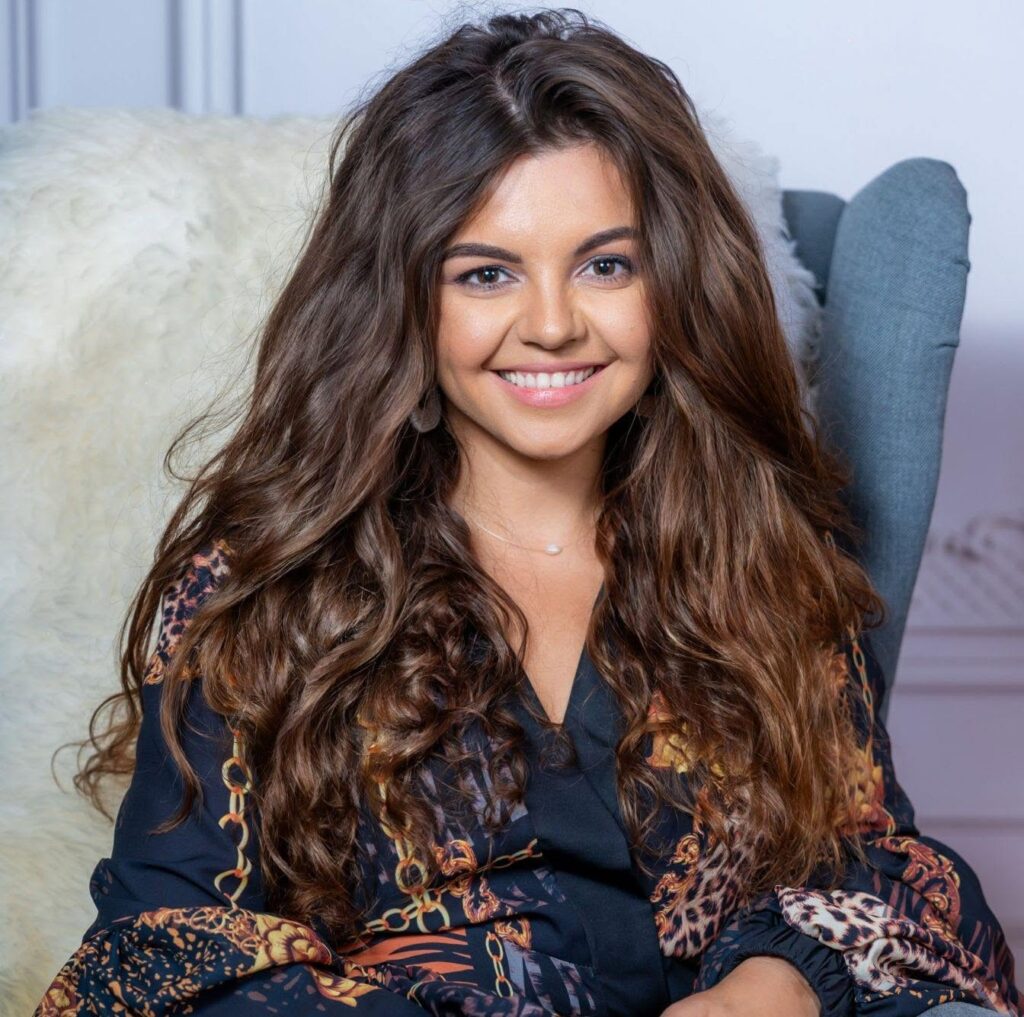
Corina Hrom, jurnalist Kam Kam Media
One of the most significant parts of the meeting was the contribution made by young people themselves.
Pupils travelling from Leeds and Northampton spoke about what the absence of a Romanian GCSE means to them.
Rather than discussing the issue solely through policy or statistics, the event gave young people an opportunity to explain their own experiences within the British education system.
Journalist Corina Hrom highlighted the contribution of Larissa Grec, a Romanian pupil who attended the event.
Larissa argued that Romanian pupils should also have the right to gain an additional qualification by sitting a GCSE examination in Romanian.
For parents, teachers and community representatives, the pupils’ contributions helped explain why the campaign matters.
The request is not for preferential treatment, but for access to a qualification already available in several other community languages.
Corina Hrom also described the campaign as a matter of recognition and equal opportunity for the Romanian community.
She drew attention to an interesting contrast: Romanian can be studied at the University of Oxford, yet there is currently no dedicated Romanian language GCSE.
Language as an advantage, not a barrier
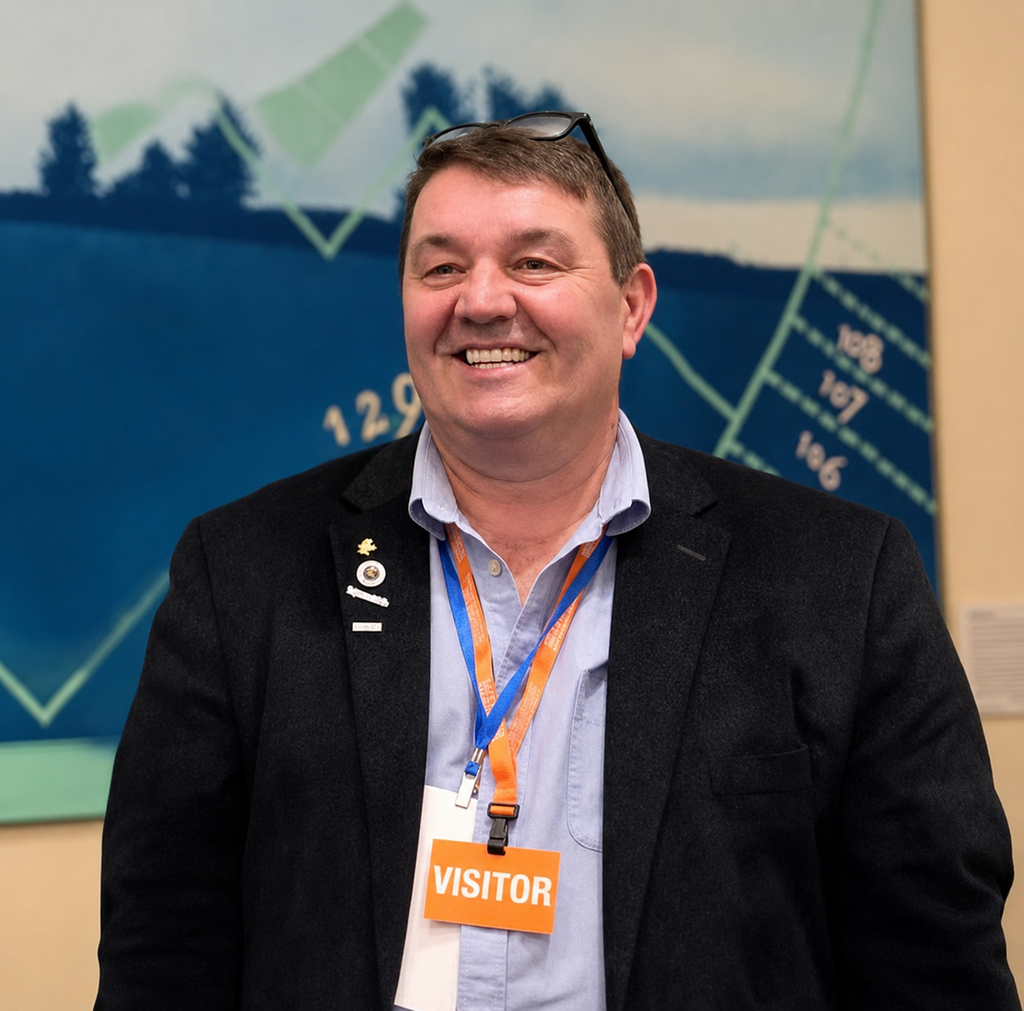
Viorel Popovici – Romanian artist and community leader
Artist Viorel Popovici described the Westminster gathering as a moment of pride and recognition for the Romanian community.
For him, the fact that Romanian was being discussed in Parliament suggested that the community’s concerns were being heard.
He believes that introducing a Romanian GCSE would help young people maintain a connection with their cultural identity while progressing through the British education system.
“The most powerful message for me was the idea that your mother tongue is not an obstacle, but an advantage.”
His observation reflects one of the central arguments behind the campaign.
Bilingualism can offer valuable personal, cultural and educational benefits. For Romanian children growing up in Britain, their home language is part of their everyday lives and an ability that campaigners believe deserves formal academic recognition.
A community united by language and identity
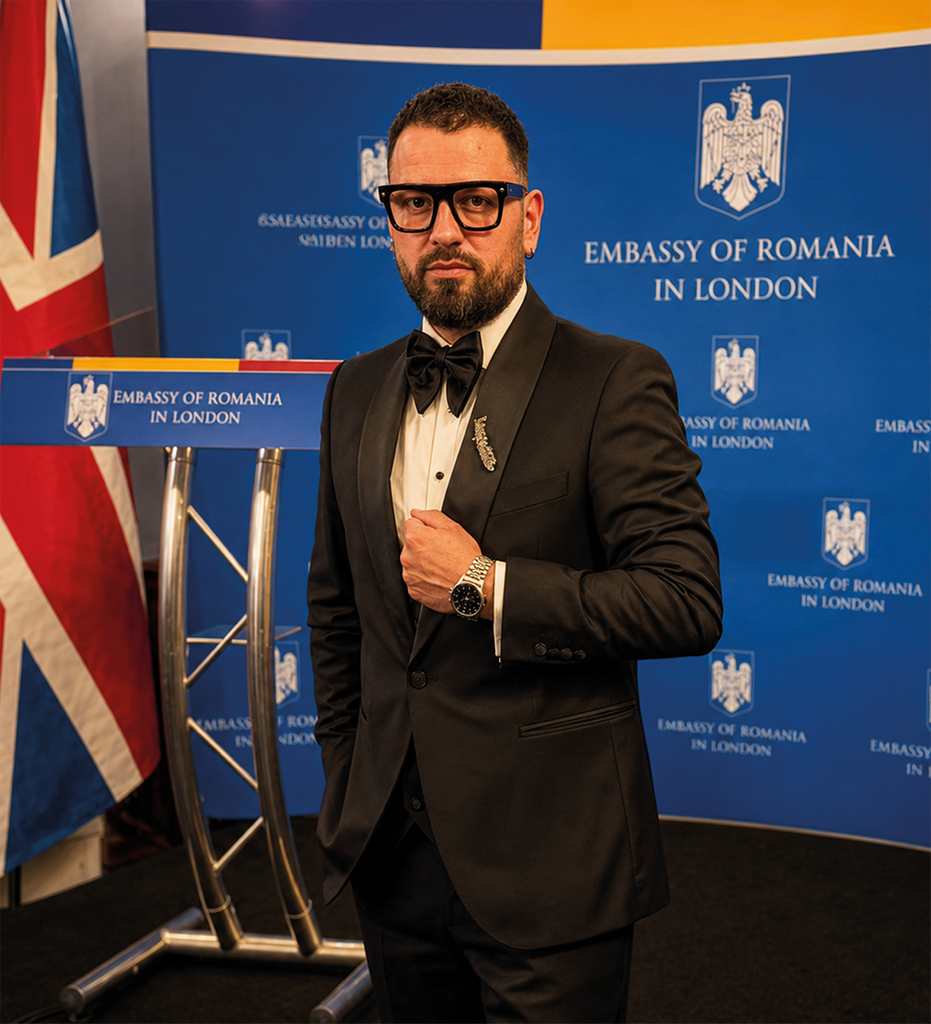
Mario Păunică – Haristylist and High-profile industry events creator
Hairstylist Mario Păunică saw the Westminster event as an indication that the campaign had reached an important public and educational forum.
For him, the opportunity to discuss Romanian at a parliamentary level was significant in itself.
“Language is one of the most enduring foundations of identity. It creates continuity between generations and provides a sense of stability within a different cultural environment.”
For families living abroad, that connection between generations can be particularly important.
Romanian children in the UK often grow up navigating two languages and cultures. A Romanian GCSE could allow them to gain formal recognition for a language that is already part of their lives.
A parent’s perspective: why Romanian should be an option
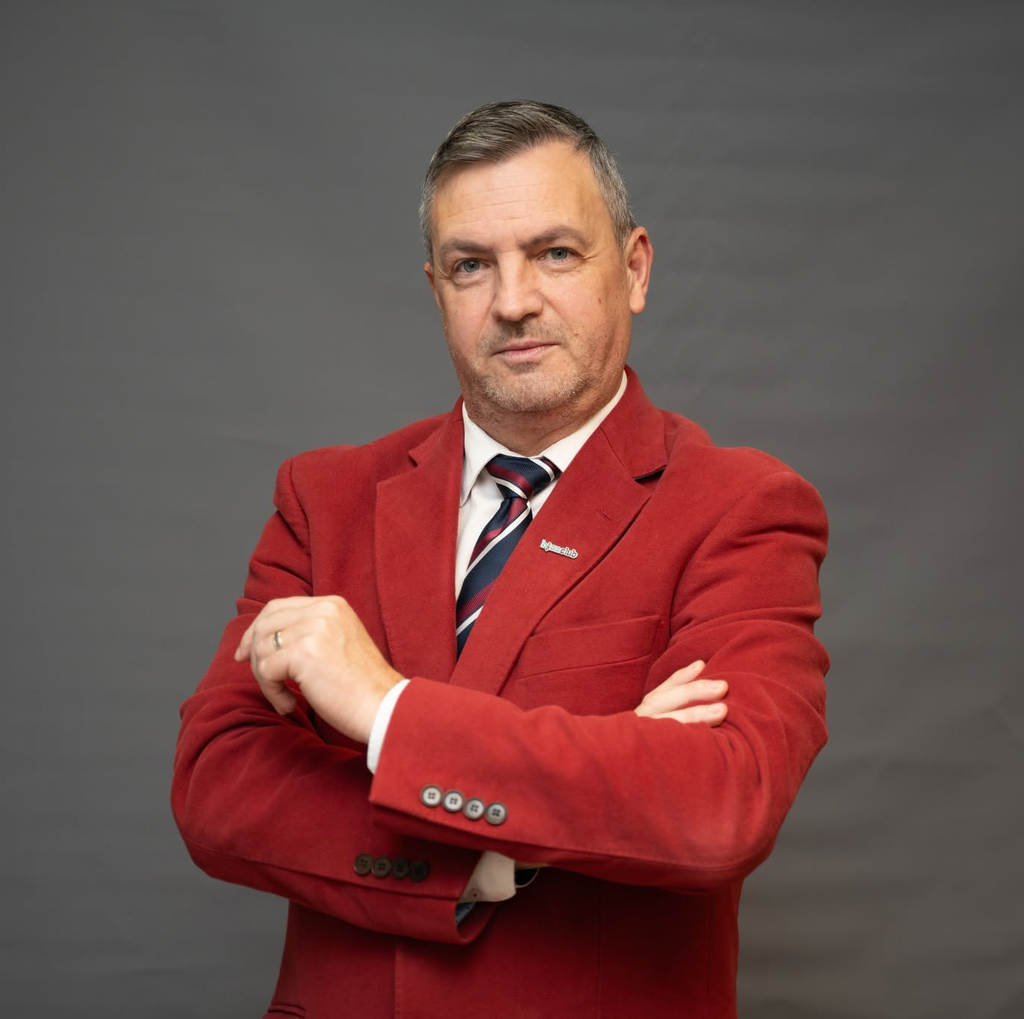
Cristian Damian, founder of Bizz Club London
Cristian Damian, founder of Bizz Club London, spoke from personal experience as a parent.
His daughter is preparing for her GCSE examinations and chose Spanish as her additional language because Romanian was not available.
“She would have chosen Romanian if she had been given the opportunity. And I’m convinced it would have been easier for her!”
His message was clear:
“A Romanian language GCSE is not an unreasonable demand!”
Cristian also emphasised that the campaign requires sustained involvement from the Romanian community.
In his view, progress will depend on more than attendance at events or expressions of support on social media. Parents and community representatives will need to remain engaged and continue raising the issue with the relevant authorities.
Parents, teachers and professionals call for educational fairness
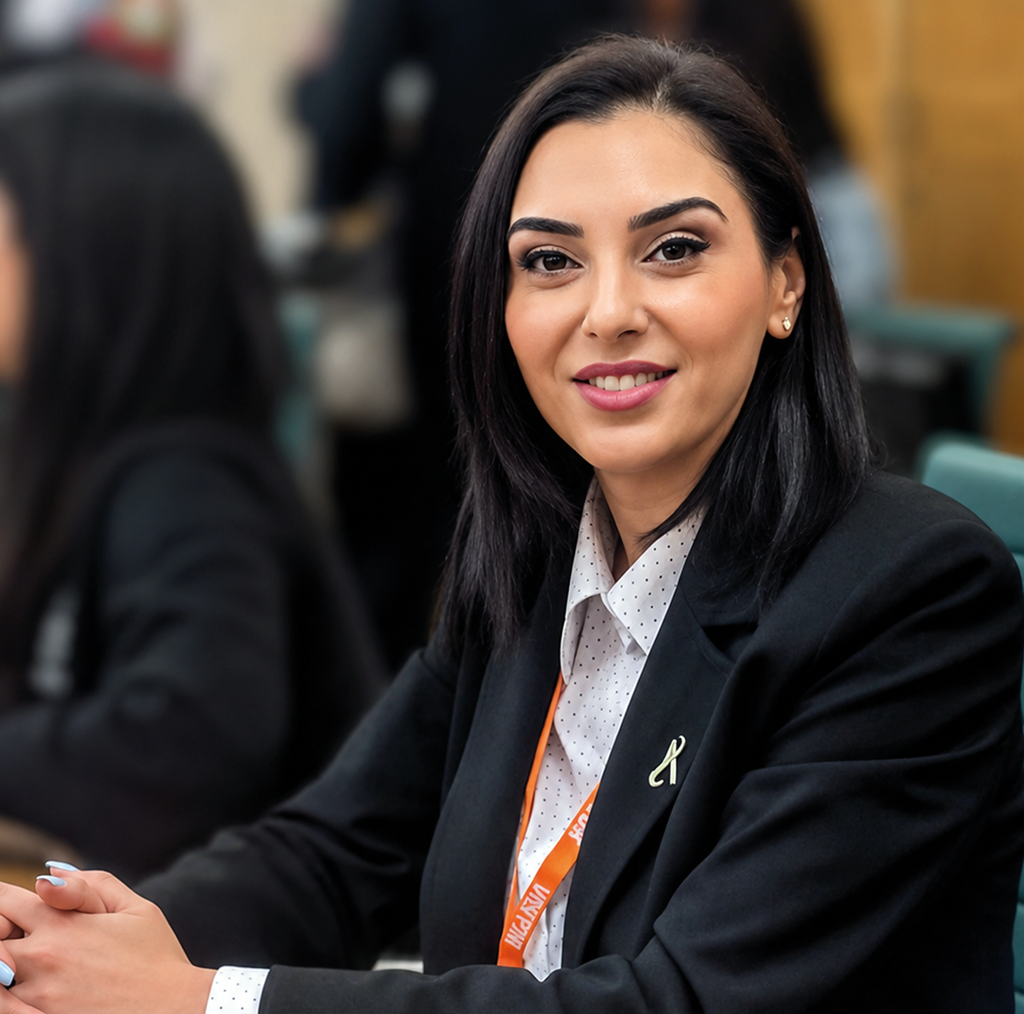
Anca Iancu – Solicitor
For solicitor Anca Iancu, the event carried particular personal significance.
Her son is six years old and growing up in Britain. She hopes that by the time he reaches GCSE age, Romanian will be recognised as a valuable language qualification rather than simply the language spoken at home.
“As a parent, I know how important it is for a child not to feel they have to choose between who they are at home and who they are at school.”
Her words reflect an experience familiar to many families raising bilingual children.
Young people can develop a strong sense of belonging in Britain while maintaining close connections to their parents’ language and cultural heritage.
For parents supporting the campaign, the recognition of Romanian within the examination system would acknowledge both aspects of their children’s lives.
A teacher’s view: recognition matters
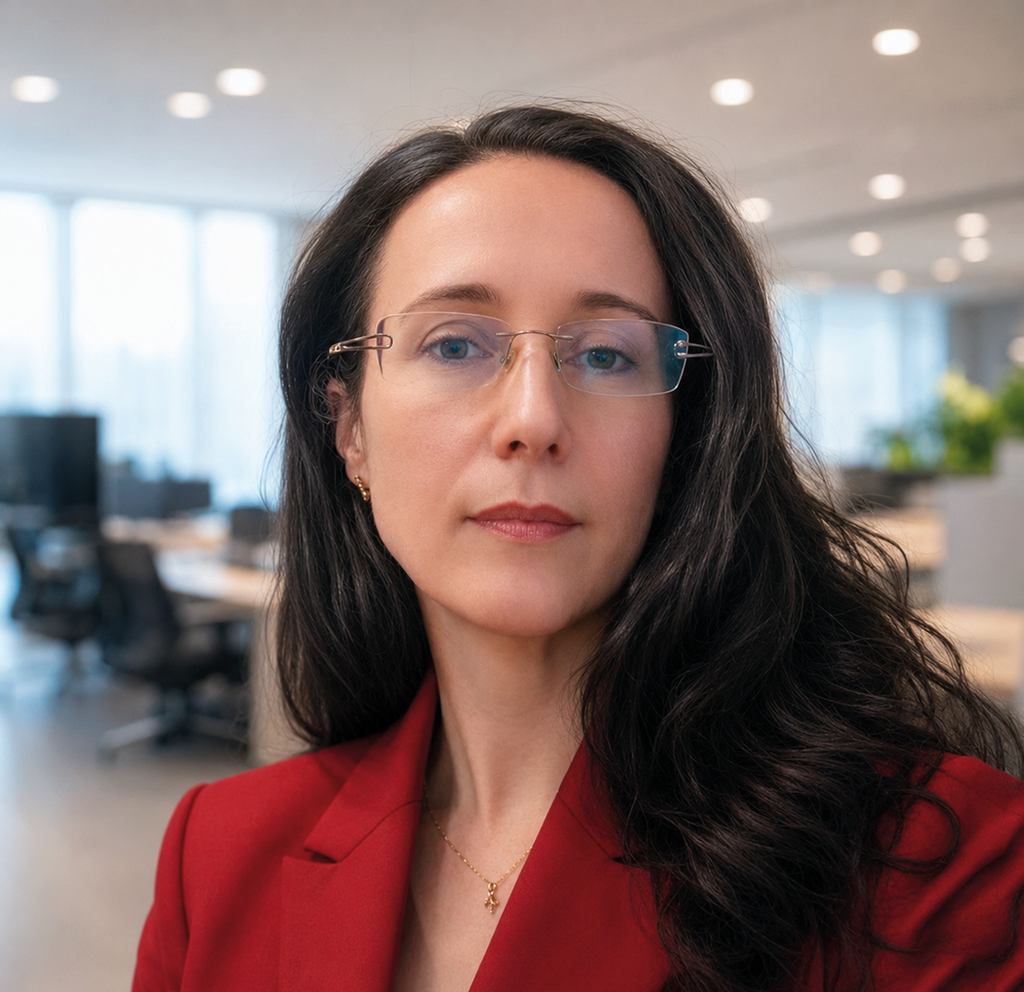
Adina Drenga – Mathematics teacher
Mathematics teacher Adina Drenga described the Westminster meeting as an opportunity for Romanian voices to be heard in a setting where political decisions are made.
She believes that the absence of a Romanian GCSE can send an unfortunate message to children whose home language is not available as an examination subject.
“An examination sends a simple but essential message: your language has value. You have value.”
Her words capture an important part of the campaign’s educational argument.
Qualifications do more than assess knowledge. They also signal which skills and achievements are formally recognised.
For Romanian-speaking pupils, having the opportunity to sit a GCSE in their mother tongue could reinforce the value of a skill they have developed through family and everyday life.
Diplomatic support and community involvement
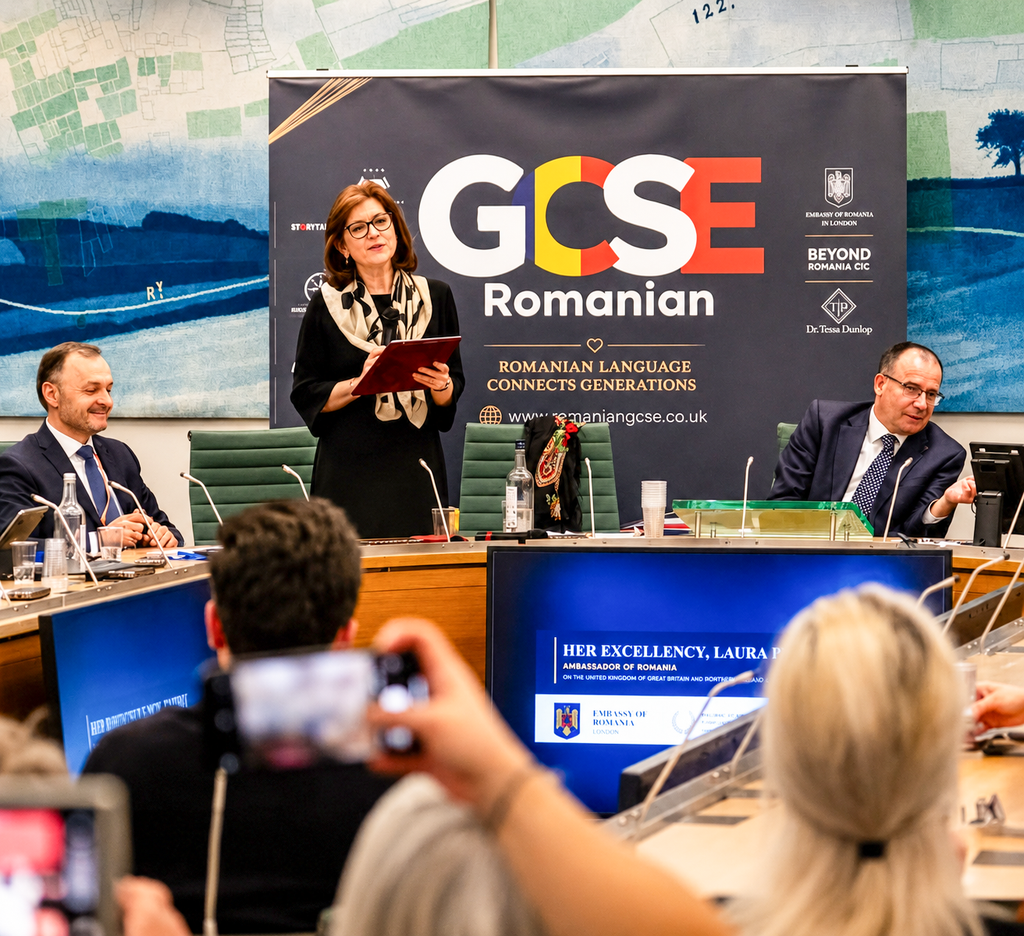
Laura Popescu, Romania’s Ambassador to the United Kingdom
The campaign also received diplomatic support.
Romania’s Ambassador to the United Kingdom, Laura Popescu, attended in support of the initiative, alongside the Ambassador of the Republic of Moldova, Ruslan Bolbocean.
Their presence reflected the wider interest in recognising the Romanian language within the British education system.
The event also brought together British parliamentarians, including Helen Hayes, Harriett Baldwin, Caroline Nokes, Nigel Huddleston, Mark Sewards, Stella Creasy, Tonia Antoniazzi, Matt Turmaine, Warinder Juss and Stephen Timms.
For the organisers, bringing together MPs, diplomats, educators, parents and pupils was an important step in raising awareness of the issue.
However, those involved also recognised that a single event would not be enough to secure the introduction of a new GCSE qualification.
The campaign will require continued engagement, including correspondence with MPs, discussions with education authorities, support from parents and sustained public awareness.
The challenge now is to turn the attention generated at Westminster into meaningful progress towards an examination that Romanian-speaking pupils can take.
What happens after Westminster?
The Westminster meeting demonstrated the Romanian community’s ability to bring together people from different backgrounds around a shared educational objective.
Those attending included parents, pupils, teachers, business owners, journalists, artists, diplomats and politicians.
Although their experiences differed, they shared a common goal: to see Romanian recognised as a GCSE language in the British education system.
For Georgiana Anghel, the event was also an opportunity to demonstrate the organisational work behind such an initiative.
In just three weeks, she coordinated a complex set of arrangements in a parliamentary setting, helping to bring the campaign and its supporters together.
Her contribution is a reminder that community campaigns depend on practical work as well as public advocacy. Behind the speeches and photographs are people arranging meetings, managing communications and ensuring that those who need to be heard have the opportunity to speak.
The Romanian community came to Westminster with a clear request: that children who speak Romanian should have the opportunity to gain an academic qualification in their language.
The event did not resolve the issue, but it brought the campaign before parliamentarians and gave pupils and families a platform to explain why the proposed qualification matters.
The next step will be to maintain that momentum and continue making the case for a Romanian language GCSE.
We encourage you to support the campaign by completing the form created by Tessa Dunlop and Beyond Romania CIC:
Support the campaign: https://form.jotform.com/260113622781046
For more information about the campaign to introduce a Romanian language GCSE, visit the official website: