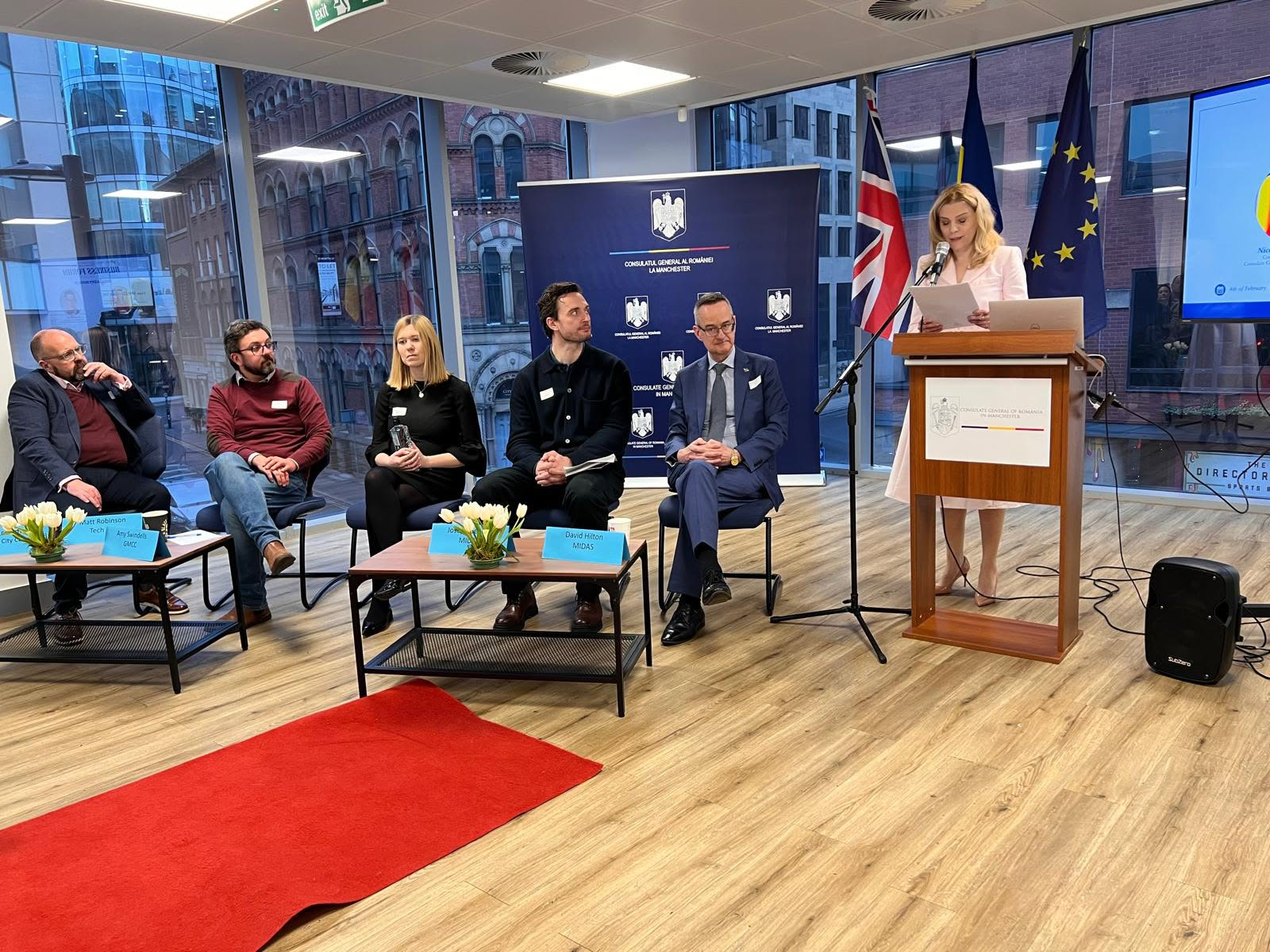
The Romanian community in Northern England is increasingly putting down roots, with more families choosing to build their futures in Britain. From employment and entrepreneurship to education and community life, their presence extends well beyond the workplace. In conversation with GRAIUL, the Romanian Consulate General in Manchester discusses this changing community and the initiatives designed to support it.
When people think of a consulate, passports, official documents and administrative appointments usually come to mind. Yet, for Romanians who have built their lives in the UK, the relationship with their home country’s institutions can extend well beyond paperwork.
It also involves access to information, support during difficult circumstances, educational opportunities, business development and maintaining cultural connections across generations.
To better understand how Romanian communities are evolving across the UK, and how diplomatic and consular institutions are responding to their changing needs, GRAIUL approached Romanian consular representatives with a series of questions.
The first response came from the Romanian Consulate General in Manchester, whose consular district covers a substantial geographical area across North West and North East England.
Its answers offer an insight into a community that increasingly sees Britain not simply as somewhere to work for a few years, but as a place to settle, raise children, develop careers and build a future.
How the Romanian Community in Northern England Is Changing
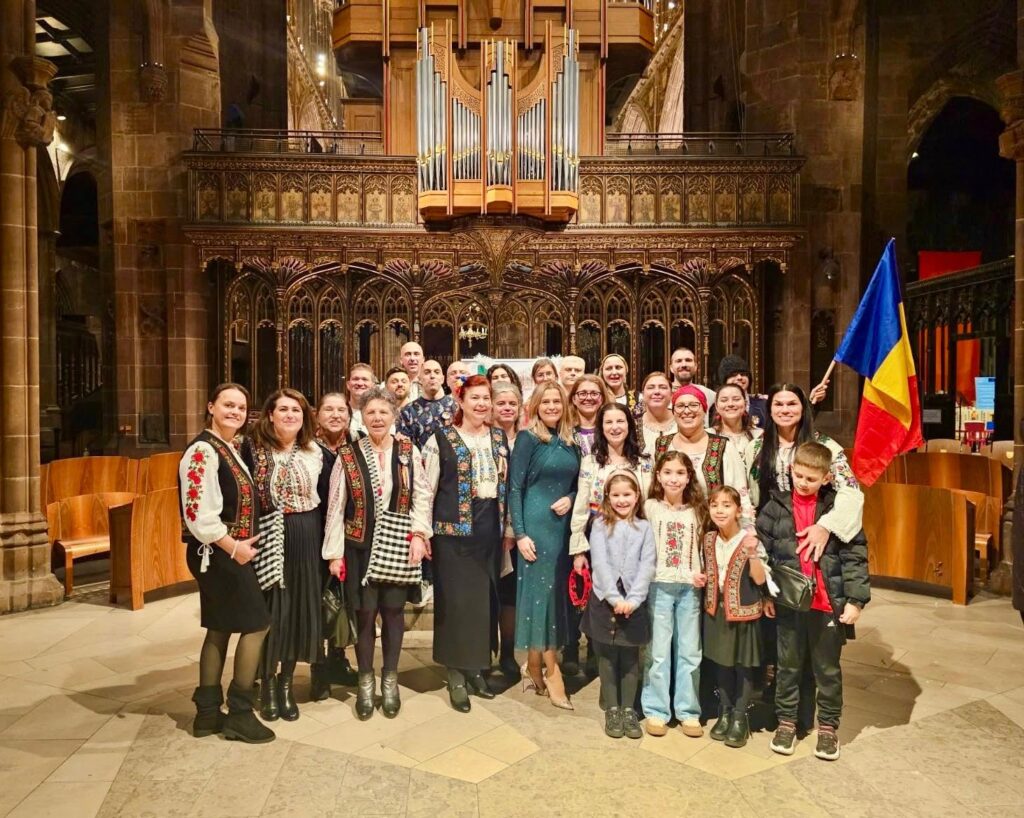
According to representatives of the Romanian Consulate General in Manchester, the changing nature of the Romanian community is becoming increasingly apparent through regular meetings with Romanian residents and discussions with local authorities.
The Consulate describes this development as follows:
“Through our regular meetings with members of the community, as well as local authorities, we are seeing Romanians becoming an increasingly important presence and a strategic part of the UK’s social, economic and multicultural landscape.
More families are choosing to settle permanently in the North West and North East, attracted by employment opportunities, access to education and a more favourable balance between disposable income and the cost of living.”
As more families put down roots, the way the community organises itself is changing.
Romanian-owned businesses, cultural and educational projects, and participation in local community life are becoming increasingly visible.
The Consulate believes this reflects a different stage of development from the earlier years, when settling into a new country was often the primary concern.
“The Romanian community has reached a new level of maturity and consolidation. We are seeing rapid growth in entrepreneurship, greater participation in civic life and an increasing number of educational, cultural and multicultural initiatives.”
For many families, settling in Britain also means finding ways to preserve their Romanian language, traditions and cultural identity, particularly for younger generations, while remaining actively involved in British society.
The Romanian Contribution to Britain’s Economy: Looking Beyond Perceptions
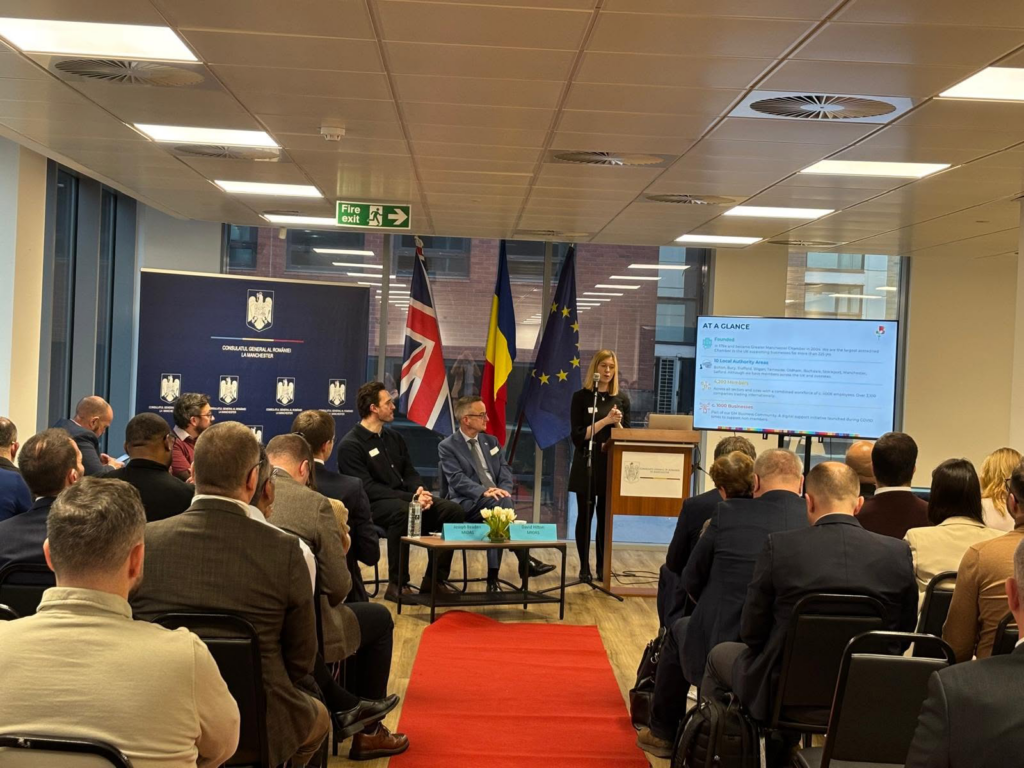
The Consulate also highlights the economic contribution made by Romanian residents, something it believes is not sufficiently recognised in public discussions.
In its response to GRAIUL, the institution refers to Romanian Diaspora Contributions to British Economy and Society, a study produced by Romanian experts from ACORD UK.
According to figures cited in the study, Romanians have an economic activity rate of approximately 80%, with significant representation in sectors including construction and healthcare.
For the 2019/20 financial year, Romanian employees contributed approximately £2.399 billion through Income Tax and National Insurance contributions.
Importantly, this historical figure does not include VAT, council tax, employers’ contributions, business taxes or the economic contribution of self-employed workers.
The Consulate emphasises that the Romanian community should also be recognised as a partner in the wider development of British society.
“Through its size, contribution to the local economy and ability to mobilise, the Romanian community is a relevant partner for British authorities, institutions and the business sector.”
Bringing Consular Services Closer to Romanian Residents
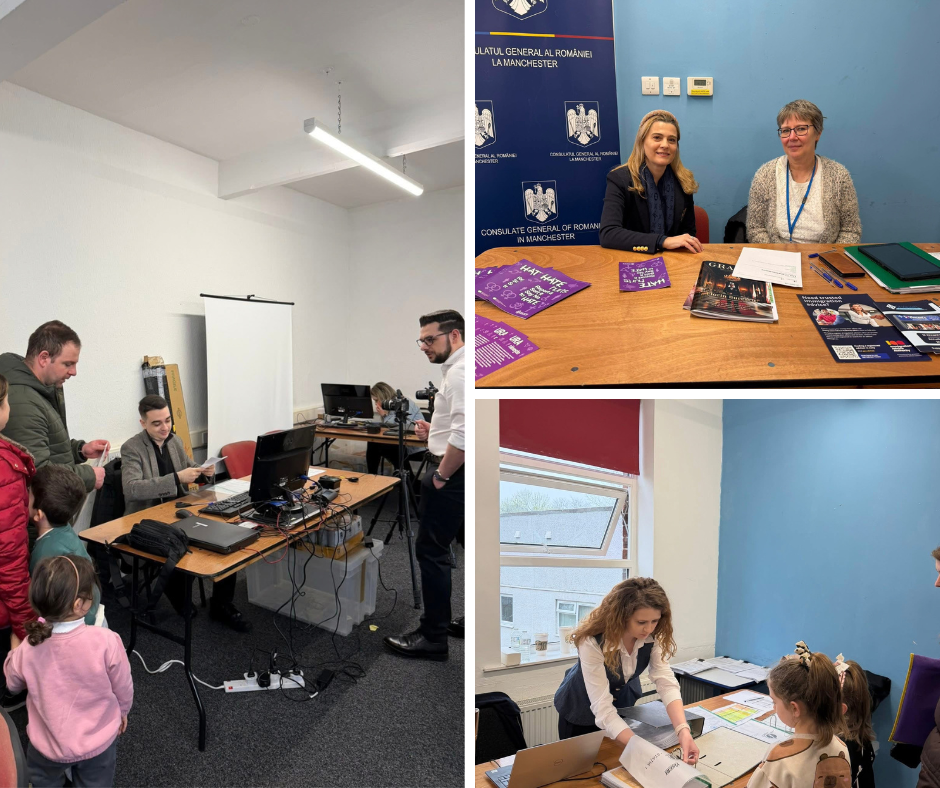
For someone living several hours away from Manchester, accessing consular services can involve considerable travel and potentially an entire working day arranged around an appointment.
Recognising this challenge, the Consulate says it has worked to strengthen its presence beyond Manchester in recent years.
Mobile consular services, an expanding network of honorary consuls, community meetings and information campaigns are among the measures introduced to help reduce the distance between the institution and the people it serves.
However, the Consulate considers its most important achievement to be something less administrative.
“Our most important achievement has been strengthening trust between the Consulate and the Romanian community, alongside developing ongoing collaboration on matters of genuine interest to Romanian citizens.”
These matters range from consular assistance and protection to healthcare, education, support for vulnerable individuals and projects involving Romanian entrepreneurs.
The institution also stresses that much of its work is shaped by listening directly to the community.
“Everything starts with feedback from Romanian citizens, and wherever possible, we try to support initiatives that can bring added value.”
Regular meetings, community engagement and online information campaigns are complemented by targeted interventions when individuals or families require urgent support.
When Communities and Institutions Work Together
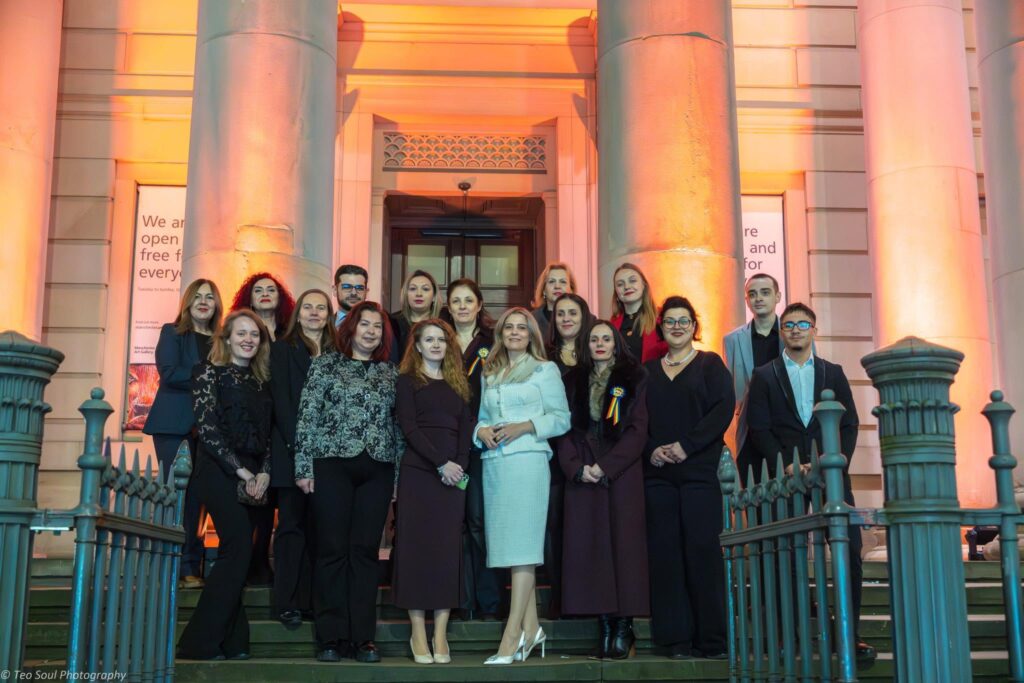
Some of the most meaningful aspects of consular work have little to do with issuing documents.
They arise when individuals or families face difficult circumstances and finding a solution depends on several people and organisations being able to communicate and act quickly.
The Romanian Consulate General in Manchester points to such situations when discussing the relationships it has developed across the region.
Its representatives explain:
“One representative example is the way the community and the Consulate work together to support families facing difficult circumstances. In these cases, the Consulate, Romanian associations, parishes, volunteers and community leaders have joined forces to identify effective solutions quickly.”
In practice, each organisation brings different knowledge, resources and connections.
Local associations and community leaders may be the first to become aware of a problem. Faith groups and volunteers can mobilise local support, while the Consulate can provide assistance within its remit or help establish contact with the relevant institutions.
The Consulate believes these experiences demonstrate the importance of building lasting relationships.
“These more difficult moments demonstrate that the relationship between the Consulate and the community goes beyond administration. It is built on trust, solidarity and mutual involvement.”
Making Consular Services More Accessible: Online Appointments and Telephone Support
Digitalisation has also played an important role in changing how Romanian citizens access consular services.
Through the eConsulat platform, applicants can arrange appointments and prepare documentation before attending in person.
For those living further away from Manchester, this can help reduce unnecessary journeys and the amount of time spent dealing with administrative procedures.
The Consulate explains:
“The www.econsulat.ro platform allows citizens to book appointments and prepare their documents before attending the Consulate. Several consular services can also be completed during a single visit, such as registering civil status certificates, submitting passport applications, making notarial declarations or arranging powers of attorney.”
According to the institution, the system has simplified both appointment booking and document preparation, allowing multiple requests to be handled during one visit in certain circumstances.
However, the Consulate also recognises that digital services are not accessible to everyone.
Some residents do not use the internet or experience difficulties navigating online booking systems.
To address this, a dedicated telephone line has been introduced for Romanian citizens in North West and North East England who need assistance arranging an appointment.
Need a consular appointment?
Online platform: www.econsulat.ro
Dedicated appointment telephone line: 07376 489 269
Explaining the decision, representatives of the Consulate say:
“We introduced this facility specifically to assist this segment of the population and to remain close to Romanian citizens. It is another example of a consular service developed through direct interaction with people and a better understanding of their needs.”
From Healthcare and Education to Business and Culture
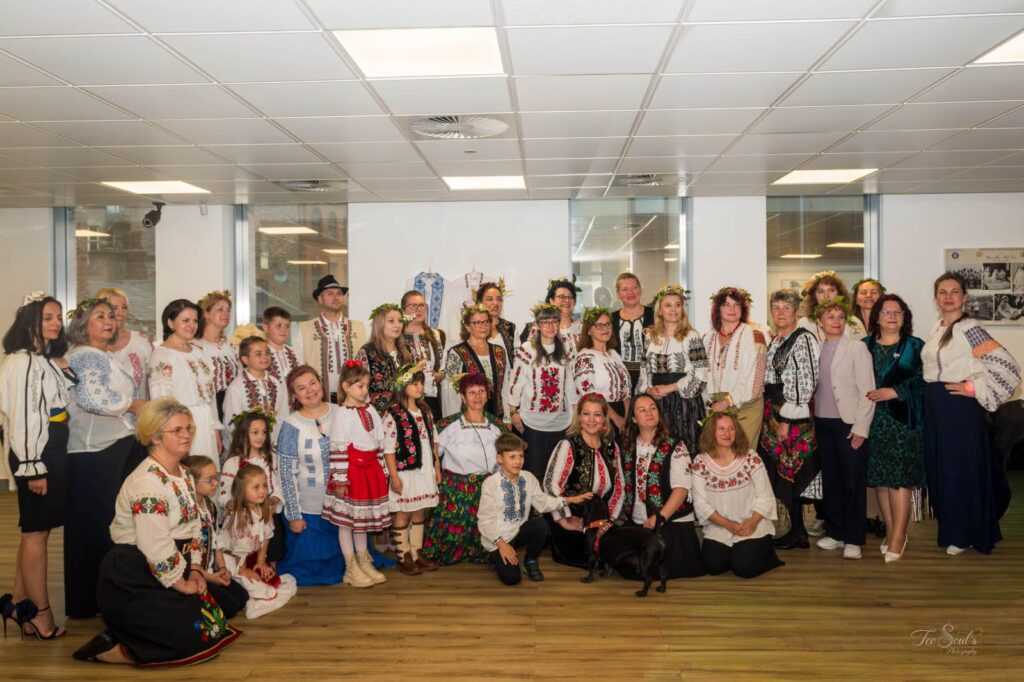
The Consulate’s activities also extend to projects developed in partnership with Romanian organisations and community groups.
These include collaborations with associations, faith organisations of different denominations, entrepreneurs, volunteers, community leaders and students.
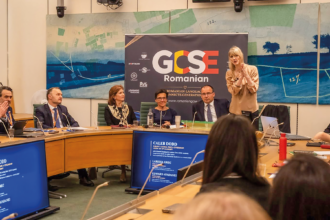
Throughout the year, the institution organises working meetings, online question-and-answer sessions and information events addressing issues commonly encountered by Romanians living in Britain.
Topics include access to NHS services, the EU Settlement Scheme, employment rights, social support, matters involving children, domestic abuse prevention, bullying and education.
Alongside this practical support, cultural activities remain an important part of maintaining connections between generations.
The Consulate’s calendar includes celebrations such as Mărțișor, a traditional Romanian spring celebration, Romanian Blouse Day (Ziua Iei), Children’s Day, the Day of Romanians Everywhere, Romanian Language Day and Romania’s National Day.
Other initiatives have included Aplauze pentru Poet… pe scenă în Anglia (Applause for the Poet… On Stage in England), Ziua Micului Călător (Little Traveller’s Day), open days, business networking meetings and events organised in collaboration with Romanian students.
Community organisations wishing to propose new projects are encouraged to contact the Consulate.
According to the institution, planning activities in advance helps it reach as many areas as possible throughout its consular district.
Together: The Word Behind the Work
The responses provided to GRAIUL reflect changes that go beyond the number of Romanian residents choosing to settle in Northern England.
The community is developing its own initiatives, becoming more organised and seeking a closer, more practical relationship with Romanian institutions.
For the Romanian Consulate General in Manchester, the direction in which this relationship should continue can be expressed in a single word.
Its representatives conclude:
“Through everything we do, we try to remain close to the community and gradually increase the impact of the projects we develop together, because ‘together’ is the key word.”
This article is based on written responses provided by the Romanian Consulate General in Manchester to GRAIUL. Institutional quotations have been translated from Romanian into British English.