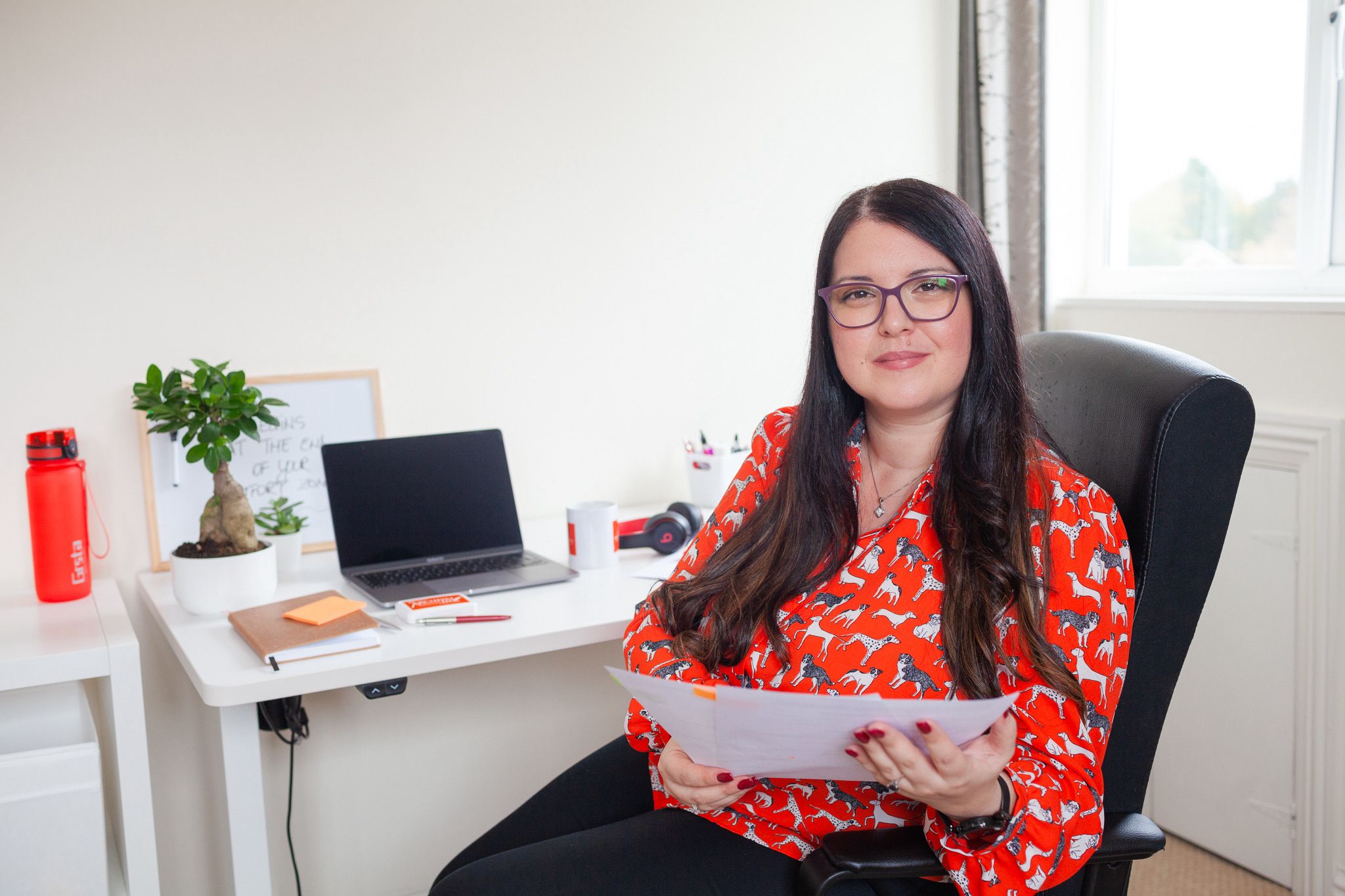
A practical guide to what you need to know before getting your documents translated in the UK, including apostilles, common mistakes and paperwork that may not need translating at all.
A misspelled name on a certificate, a missing apostille, or papers submitted in the wrong order can hold up a process that looked simple at the start. For Romanians who need certified translations in the UK, checking your documents before they go to a translator can save you wasted trips, extra costs, and last-minute corrections.
Daniela G. Bunoaica has worked in medical translation since 2007 and has been sworn by Romania’s Ministry of Justice for legal translation since 2009. She holds a B.A. and an M.A. in Translation and Conference Interpreting, and is currently completing a PhD in Applied Linguistics through an academic partnership between Romania and France. She’s sworn for English, French and Spanish, and her team covers several other major languages as well.
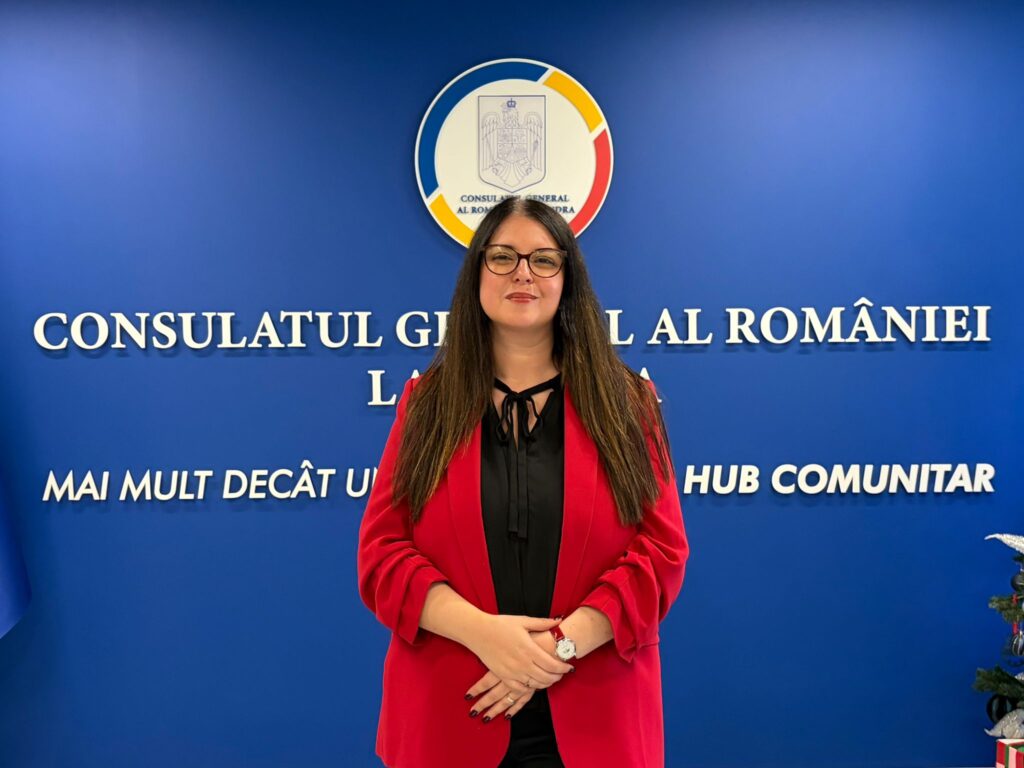
In 2021, after 12 years working as a sworn translator and conference interpreter in Romania, she founded DGB Romanian Translation Services in the UK. She’s listed with the Romanian Embassy in London and works with private clients, companies, law firms, notaries and various UK government bodies.
Today her work spans civil status documents and other legal papers, medical records that need particular care, apostilles, and audio-video transcription. But most problems, she says, start before the document ever reaches a translator.
Sometimes the issue is in the original paperwork itself: a name that doesn’t match, a step that’s missing, or a document that isn’t in the format the receiving institution expects. In other cases, a translation isn’t even needed.
We spoke to Daniela about the mistakes she sees most often, about apostilles versus certified translation, about which documents don’t need translating at all, and about what’s worth checking before you send anything off.
The most common mistakes in documents sent for translation
1. Wrong names or mismatches across documents
Marriage certificates can’t be registered with Romanian Civil Status records if the parents’ names on them are wrong. The names of the bride and groom’s parents must match exactly what’s on their own birth certificates, because names have to be consistent across all civil status documents. This is always checked against two separate civil status records.
Parents may be divorced and go by a different name now, or may not appear on the certificate at all. To register the marriage, these details need to be corrected by the office that issued the original document — usually the Civil Status Registry of the city where it was issued. It’s a paid process, but an essential one: once corrected, the document can then be apostilled, translated and registered.
Without that correction, 99% of certificates are rejected by Romanian Consulates in the UK and by Civil Status offices in Romania. Only about 1% get through, and only after considerable insistence, with the wrong names still on them — which then causes problems further down the line. I wouldn’t recommend going down that road.
For example: say a certificate lists Ana Popescu, with her mother named as Maria Popescu at the time of birth, but her mother is now known as Maria Ionescu after remarrying. The certificate needs to be corrected to read Maria Popescu — even though that’s not her name today — because what matters is the parent’s name at the time the child was born.
To get this corrected, you contact the office that issued the certificate, send them sworn translations of the birth certificates involved (unless already issued trilingually) and the divorce certificate showing the name change. If that office refuses to make the correction, they need to give you that refusal in writing, which you then take to the Consulate.
2. Late registration, or registering events in the wrong order
Registering late with Romanian records through the Consulate isn’t penalised, but it’s recommended within 6–12 months of the event, as set out in current legislation. Leaving it longer makes the process considerably more cumbersome.
Registering events out of order can also lead to parents’ names appearing incorrectly. For example: if a child’s birth is registered before the parents’ UK marriage, even though the birth actually came after the marriage, the mother’s name will show up incorrectly — most likely her maiden name. If she wants that changed to her married name afterwards, she’s stuck with whatever’s on the birth certificate, and changing it later is a long and complicated process.
So register documents together, even if they were issued in different years. You can do this through the Consulate, receiving everything on the same day, which avoids problems later on.
3. Divorce certificates not properly prepared for apostille
Divorce certificates — a “divorce decree” or “decree absolute” — need to be signed by a judge from the Court that issued them, with their name and signature in blue ink, before they can be apostilled in the UK and then translated and legalised in Romania. Divorces issued after 31 December 2020 can’t be registered through the Consulate; the process has to start in Romania instead.
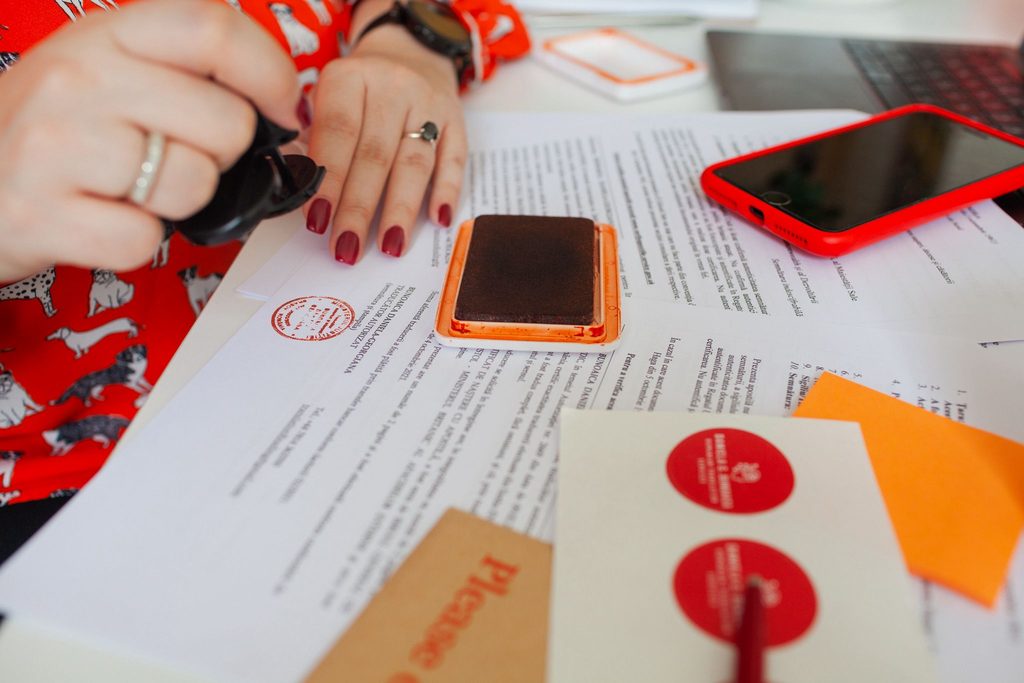
What to check before translating a birth or marriage certificate
Names matter more than anything else, as covered above. I actually have a Podcast in Romanian dedicated to registering civil status documents, where I go into detail on each procedure. I’d love suggestions for future episodes on other topics. Here is the link: https://www.youtube.com/watch?v=R8pIVXrGEsc&list=PL35ezYx0FQY8fIhzT8g5jim3EUVUqpxAh
Wrong translations of documents used in legal cases
We don’t often see mistranslations arrive on our desk directly, but I can give an example from the transcription and translation work we do for law firms we partner with, on active cases.
We’re one of the few agencies offering transcription and translation of audio and audio-video files. Audio recordings, video, WhatsApp messages and social media messages all need particular care. Audio files often use slang specific to Romanian, whether from Romania or Moldova, and messages are frequently written in abbreviations and emojis.
All of this has to come across precisely in British English, so that legal professionals understand the full meaning and intent. Even a small adjustment to this kind of text can be critical to how a case unfolds.
On a different note, we sometimes get asked to review content for entrepreneurs in the community that was originally translated by AI, and it’s often completely distorted or lacking any nuance.
A brand’s quality, how a company is perceived, comes through in how authentic and natural its content sounds. Whatever money is saved by using AI for translation rarely makes up for the business lost when a client goes elsewhere because the writing doesn’t sound right and comes across as untrustworthy.
For entrepreneurs trying to break into the British market without content that’s genuinely adapted — not just into British English, but culturally, since every region in the UK is different — they won’t be anyone’s first choice. Content that doesn’t sound native doesn’t position you as a credible expert in English.
It’s a bit like landing on a Romanian website or social media page where the writing is wrong or sounds artificial — you know immediately it’s been machine translated. Would you buy from that company?
Which documents DON’T need sworn translation?
The first thing we do is offer every client a free, personalised consultation, to work out exactly what they need and which documents are actually required. That alone has saved people a lot of time and money — sometimes it shortens the list considerably, sometimes it removes the need for translation altogether.
This applies to documents that only need to be registered locally in Romania, rather than through the Romanian Consulates in the UK. Those need to be translated locally and notarised in Romania, because Romanian notaries work with translators on their own approved lists — the same way we, as UK-based authorised translators, are registered with the Romanian Embassy in London.
If you originally intended to register something through the Consulate and changed your mind, the translation can still be legalised free of charge at the Consulate, by appointment.
Other documents that don’t need translating are those required for a passport application while resident abroad, as long as they’re on the Consulate’s accepted list: a recent utility bill with a matching name, and the UKVI residence share code showing the same address as the utility bill.
Romanian civil status certificates in the new A4 format, along with ID cards and passports, are already issued trilingually — in Romanian, English and French — and don’t need translating. They only need translation if they’ve been damaged or if a specific institution insists on it.
Medical translations for treatment or UK residency
Medical documents needed to continue treatment, or for a parent’s UK residency application, must be certified by a UK-resident translator who specialises in medical documents. Since Brexit, more and more UK government bodies — including the Home Office — require translations to be carried out by translators based in the UK. On the flip side, we also translate from English and other languages into Romanian, to save people time back in Romania, since medical translations there tend to take longer. We also handle a lot of handwritten medical documents, which need particular attention.
How long does a sworn translation take?
For civil status documents — birth, marriage, death, divorce certificates, name changes and so on — we typically turn these around in 24–48 hours, depending on how many jobs we have on at the time. Certified medical translations and longer legal documents usually take 2–3 working days, given the added complexity. Larger volumes or longer audio-video files take 4–5 days.
Sworn translation, certified translation and apostille: what’s the difference?
Sworn translations for the Romanian Consulates can only be done into Romanian by translators sworn by Romania’s Ministry of Justice. Certified translations into English or other languages can be done either by translators registered with the relevant Embassy, or by members of a recognised professional body — most commonly CIOL, the Chartered Institute of Linguists.
UK-based sworn translators appear on the list held by the Romanian Embassy in London, last updated in 2025. All translations are delivered in certified format, with the translator’s signature, stamp and contact details, either physically or electronically.
Translations can only be legalised free of charge at the Consulate, by the consular officers on duty that day — the same process notaries use to legalise translations in Romania.
Translations done by translators sworn by Romania’s Ministry of Justice can’t be, and don’t need to be, legalised by British notaries.
The Hague Apostille is a separate document, issued only on original documents produced in the UK, by the UK’s Legalisation Office (FCDO), which we also work with for urgent apostilles. An apostille confirms the authenticity of a document, and it’s only issued for physical documents bearing a physical signature.
Electronically issued documents — divorce certificates, employment letters, P45s/P60s, or anything else issued electronically or without a physical signature — need to be signed by a Court judge or legalised by a UK-based notary before they can be apostilled, depending on the case. We work with several notary offices that help with this legalisation step. Where these documents come from needs to be verified before they’re apostilled.
Apostilled documents can only be issued in the UK, so if you head to Romania without one, you can still contact us and we’ll send the apostilled documents to you by DHL — it’s a route we use often.
How much notice do you need for an urgent translation?
Any translator needs a minimum of 24 hours for a translation — for medical translations, more like 48–72 hours — in order to keep up with existing orders and still deliver a quality piece of work. That’s why I always recommend allowing at least a few days for the whole process: discussion, invoicing, translation and delivery.
It’s a process that demands real attention and patience, so it needs to be taken seriously — it can genuinely affect the outcome of what you’re trying to do.
How is the price of a sworn translation worked out?
Pricing is worked out by document, by page, by minute, by hour, depending on the job. I’d say the prices are relatively modest, considering everything a full translation process actually involves.
What clients often don’t realise is that the price covers the entire translation and admin process behind the scenes: converting the document, translating it, formatting it (medical and corporate translations are delivered in exactly the same layout as the original), a first review, a second review — and personally, I rarely let a document go out without checking it myself one more time — preparing the certification, saving or printing the final PDF, packaging it, preparing shipping labels, ordering an apostille where needed, email correspondence with the client and with notaries, invoicing, sending tracking details, and conversations by WhatsApp, email and phone — on top of subscriptions to all the software translators rely on, membership in professional associations, training, industry events, and more.
How do you check whether a translator is genuinely sworn in Romania?
There’s an official list of translators sworn by Romania’s Ministry of Justice, published on the Romanian Embassy in London’s website, last updated with currently active translators the year before.
Can one translation be used for multiple institutions, or does each one need its own copy?
An electronic translation can be used in several places. A sworn translation never expires, whether electronic or physical. Physical documents for the Consulate are now issued as a single copy, under a simplified procedure, and are used at your appointment — after that, you won’t need them again.
Which documents are most often requested for a driving licence, GP registration, or enrolling children at school in the UK?
For exchanging a driving licence, no translation is needed — it’s issued in English as well, and can be submitted as is.
For GP registration or enrolling children at school, it’s usually the vaccination record page that’s requested, which we translate often — a fairly complex document, given how vaccine abbreviations in Romania need to be matched precisely to their British equivalents — along with letters from Romanian schools, and sometimes full transcripts.
I’d add to that list qualification recognition through ENIC in the UK, which now requires diplomas and transcripts to be translated by a UK-resident translator.
Which Romanian documents cause the most problems for people applying for British citizenship?
That’s not my area, so I can’t really advise on it. But we could talk instead about medical translations for a parent’s UK residency application — these need to be translated with real care and attention, since they’re reviewed closely by caseworkers.
What translations are needed to get a mortgage in the UK?
Translations that will be used in Romania need to be done in Romania and legalised by a notary there.
But let’s flip that around: what translations are needed to get a mortgage here in the UK?
For a mortgage application, you’ll usually need bank statements certified by a UK-resident translator.
Bank statements, full of tables and figures, need to be converted precisely, reviewed and translated carefully. We translate them in the same layout as the original, so there’s no discrepancy between the source and the translated document. We also translate notarised gift deeds, used to demonstrate the source of funds.
Going the other way, P45/P60 forms and employment letters need to be notarised in the UK first, since they’re issued electronically, then apostilled in the UK, then translated and legalised in Romania to be used at a bank there. Some banks accept a certified translation without legalisation, but that always needs to be checked first.
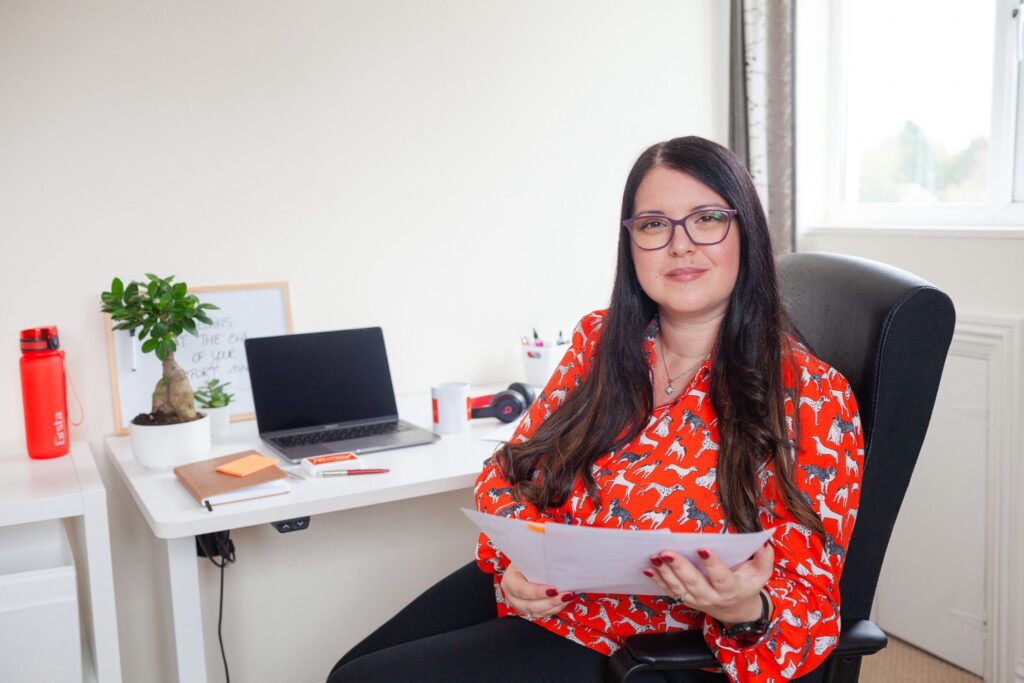
What’s the risk in using Google Translate or AI to translate an official document yourself?
It won’t be accepted. Beyond that, medical translations done with AI or Google Translate risk using the wrong terminology, or producing outright fabrications, which can end up affecting someone’s actual medical treatment.
Translators who specialise in medical work are the ones equipped to handle this kind of text properly. I’ve specialised in medical translation since 2007. I trained at a translation agency in France, doing medical translation work, and went on to work with them for years. My team also includes translators who’ve specialised in medical translation for many years.
AI can’t reliably read handwriting, and Google Translate can’t read it at all — the end result can be riddled with errors, potentially confusing a doctor or leading to a treatment being continued incorrectly.
I had a client who used AI to translate a physiotherapy referral from Romania and asked me to review it. About 90% of the specific abbreviations were wrong and had no equivalent in UK physiotherapy practice. A physiotherapist here wouldn’t have understood the diagnosis or the recommendations from the Romanian doctor at all.
We only find the right equivalent through extensive research, which is why you’ll see what we call “translator’s footnotes” in a lot of our work, where we document the meaning of an acronym or its equivalent procedure in the UK system.
What’s the path from speaking foreign languages to becoming an authorised translator in the UK?
There’s no process in the UK that fully mirrors the Romanian one, for those who want to become authorised and work for the Romanian Consulates here.
They need to sit the annual legal translation exam run by Romania’s Ministry of Culture, then have their qualification recognised by the Ministry of Justice, and finally register with the Romanian Embassy in London.
But if they want to work in the wider UK market, they can take the DipTrans (Diploma in Translation) or DPSI (Diploma in Public Service Interpreting), both run periodically, and go on to work with translation and interpreting agencies.
Or they can do an undergraduate or master’s degree in the field, then join professional bodies for translators and interpreters, such as CIOL — the Chartered Institute of Linguists — to work with agencies and direct clients.
I mentor people interested in this path myself, on both sides — the Ministry of Justice route and the UK route — having gone through both.
What would you change about how the system treats the diaspora’s translated documents?
I’d point to how translators’ prices are perceived. I see our profession as closely related to that of a solicitor, notary or accountant — sitting somewhere between consultancy and delivering a specialised service.
There are a lot of steps involved in translating, apostilling or legalising a document, and years of study behind getting a translator to near-native fluency, learning the specific software we use, building the business side of things, and so on.
All of that tends to get overlooked when people talk about what translators charge. I think the value we provide is underestimated, and Romanian translators’ prices are already considerably lower than those charged by British translation agencies — yet that value still isn’t fully understood. I’d love for people to see a translation as being just as significant as a legal matter, and treat it accordingly.
What question should everyone ask when they first get in touch, but never does?
I don’t have one specific question in mind. I’m usually the one asking plenty of questions myself, to make sure the documents that need apostilling and translating are, first, correct; second, actually necessary; and third, accepted in the exact format the receiving institution requires.
That’s why the consultation stage matters more than anything else.
My mission, and my agency’s mission, is to help clients see their process through with the right information — even if that means asking them to get something corrected, to bring in a different document, or not to translate anything at all for now — using as little time and money as possible, and only the documents that are actually needed, to save them wasted time at the Consulate or in Romania.
What kind of translation work do you do for notary and legal offices? What challenges come up?
We handle sworn and certified legal translations, certified medical translations, audio and audio-video transcription, translation of WhatsApp and social media messages, and interpreting wherever we have an interpreter available.
A lot of this involves urgent documents that need to be translated within 24–48 hours of being sent to us, and we prioritise these accordingly.
The content is often sensitive and confidential, which is why we don’t use AI anywhere in the translation process — instead we rely on our own internal terminology database for translation and review.
Volumes can be quite large, so we work with our team of Ministry of Justice-sworn translators, who are usually available at short notice.
We also translate from other languages into English through our partner translators. I personally translate from French and Spanish into English as well.
What kind of translations do you do for entrepreneurs in the UK?
For Romanian entrepreneurs in the UK, we translate websites into English, translate or review social media content, translate brochures and training materials or marketing materials, subtitle audio-video files and promotional videos, translate podcast episodes, handle multilingual SEO and target-language keywords, and translate books for those looking to publish in the UK market.
Contact
For certified translations, apostilles, civil status documents, or medical and legal translation, get in touch with Daniela G. Bunoaica, founder of DGB Romanian Translation Services.
DGB Romanian Translation Services Website: https://dgbromaniantranslation.com
Facebook, Instagram, TikTok: @dgbromaniantranslation
YouTube: https://www.youtube.com/@thetranslationpodcast
Email: info@dgbromaniantranslation.com
Phone / WhatsApp: 07368 417585
Before sending off your documents, it’s worth checking the exact procedure and the papers you actually need — it can save you costs, or steps you didn’t need to take in the first place.